The Future of Plastic Surgery: Emerging Technologies and Techniques
Plastic surgery is continuously evolving, driven by advancements in technology and innovative techniques. The future holds exciting possibilities that promise to...

Partager cet article
Standing in front of a mirror, many people notice one feature that never quite feels right. For some, that thought fades. For others, it returns again and again, leading them to explore cosmetic surgery as a real option rather than a passing idea. The wish is rarely about chasing perfection. It is about feeling that the face or body finally matches how they feel inside.
Choosing cosmetic surgery is a serious, personal medical decision. It affects appearance, confidence, and day‑to‑day comfort, and it also carries medical, emotional, and financial responsibilities. The “right” procedure is different for every person, and depends on goals, health, lifestyle, and whether the need is cosmetic, reconstructive, or a mix of both. No wonder so many people feel confused when they see conflicting information online and very different opinions from friends or even from different clinics.
This is where expert guidance matters. At The Aesthetic – Dr. Manoj K. Johar, patients receive advice from a senior plastic and reconstructive surgeon with more than 15 years of focused experience. In this guide, you will see how to clarify your own needs, understand procedure options, weigh risks, and choose a qualified surgeon. By the end, you will have a clear framework to decide which cosmetic surgery suits you best and how Dr. Johar and his team can guide you safely through the process.
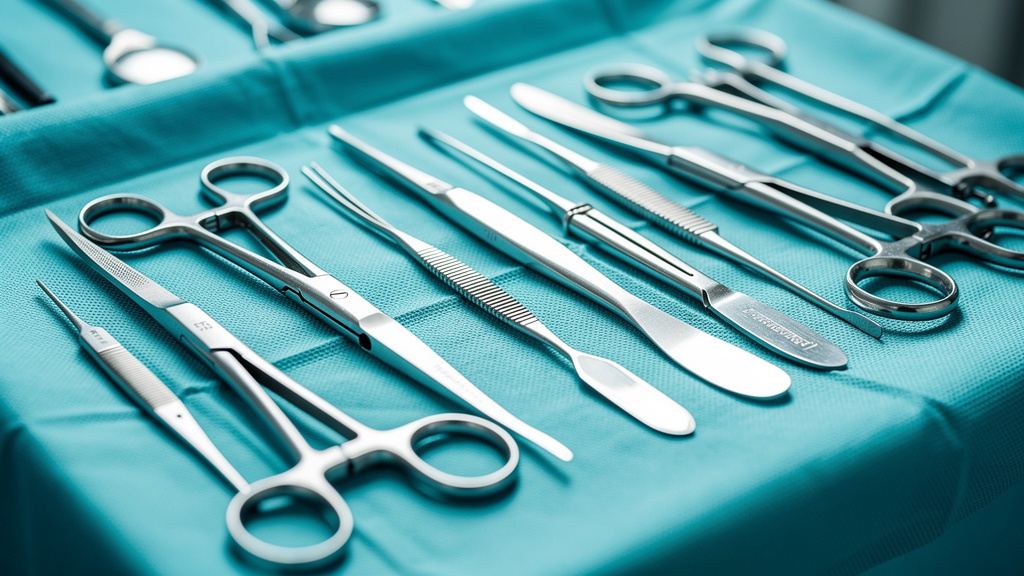
Before choosing any procedure, it helps to know whether the main need is cosmetic, reconstructive, or both. Cosmetic surgery aims to improve shape, balance, or proportion in body parts that already work normally, such as rhinoplasty, breast augmentation, or facelifts. These procedures focus on appearance and confidence rather than medical necessity.
Reconstructive surgery, on the other hand, restores form and function after cancer, trauma, burns, or congenital conditions like cleft lip or craniosynostosis. Many patients fall in between these categories, for example a rhinoplasty that improves breathing while refining the nose, or breast reconstruction that also restores body image after mastectomy. This distinction affects insurance coverage, recovery expectations, and even surgeon choice. Because Dr. Manoj K. Johar works extensively in both cosmetic and reconstructive fields, he can design plans that address function and appearance together.
In simple terms:
Cosmetic surgery focuses on improving how normal structures look.
Reconstructive surgery focuses on repairing abnormal structures or loss of tissue.
Combined procedures can improve both function and appearance in a single plan.

A healthy decision about cosmetic surgery starts with an honest look at why the change is desired. The best reasons usually come from within, such as wanting to feel more comfortable in photographs, in professional settings, or in daily life. Pressure from a partner, friends, or social media rarely leads to lasting satisfaction.
Emotional readiness also matters. Cosmetic surgery changes the body, and the mind needs time to adjust to swelling, scars, and a new appearance. Red flags include expecting surgery to save a relationship, fix deep emotional pain, or copy a celebrity exactly. During consultations at The Aesthetic, Dr. Johar spends time discussing motivations and mental preparedness so that patients move forward for the right reasons and at the right time.
As many experienced plastic surgeons remind patients, "the best reason to have surgery is to make yourself feel better, not to satisfy someone else."
Cosmetic surgery can produce impressive improvements, but it is not magic. It can refine features, reduce signs of ageing, and restore body contours, yet it cannot stop ageing, erase all scars, or guarantee happiness in every area of life. Each result depends on anatomy, skin quality, healing patterns, and what is surgically safe.
Common misunderstandings include expecting to look like a favourite film star or believing one operation will solve every concern. Ethical surgeons, including Dr. Manoj K. Johar, clearly explain what is achievable and what is not. Tools such as computer imaging and real patient photographs help match expectations with realistic outcomes, which greatly raises long‑term satisfaction.
One saying heard often in plastic surgery is, "a procedure can change a feature, but it cannot change who you are on the inside."
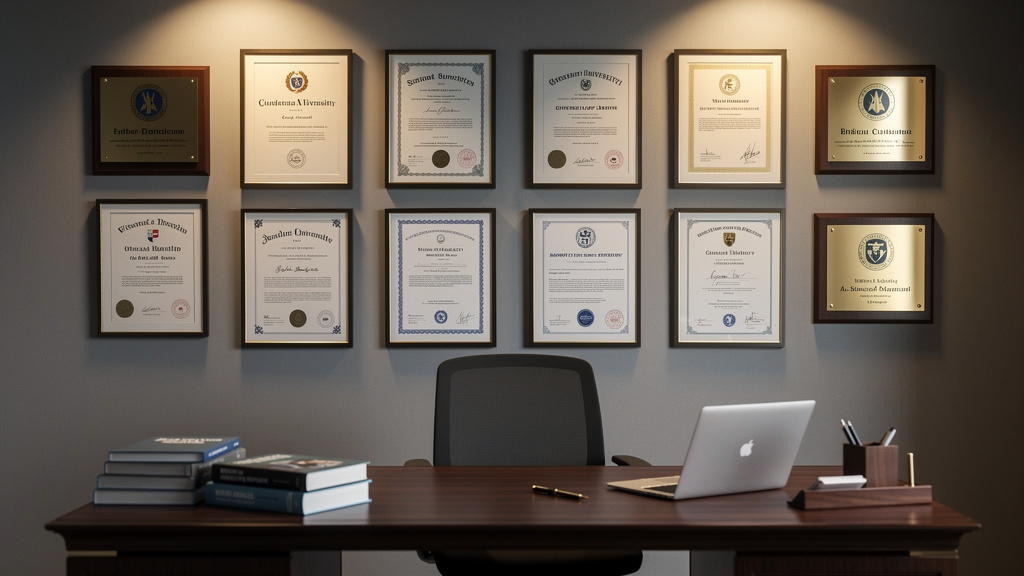
The most important decision in the whole process is choosing the surgeon. A board‑certified plastic surgeon completes more than ten years of training, including MS and M.Ch. degrees in Plastic and Reconstructive Surgery. This path builds strong skills for both complex reconstructive work and advanced cosmetic procedures, with deep understanding of anatomy, safety, and complication management.
By contrast, some doctors call themselves “cosmetic surgeons” after short courses, without formal plastic surgery super‑speciality training or regular access to accredited hospitals. Patients should always check that their surgeon holds an M.Ch. in Plastic Surgery and belongs to recognised bodies such as APSI, IAAPS, ASPS, or ISAPS. Experience in the specific procedure, hospital accreditation (such as NABH), and strong post‑operative support are also very important. Dr. Manoj K. Johar meets and exceeds these standards through his work at Max Super Specialty Hospital and The Aesthetic, with a long record of complex reconstructive and cosmetic cases.
When comparing surgeons in India, it helps to look for:
Formal qualifications – MS and M.Ch. in Plastic and Reconstructive Surgery.
Professional memberships – APSI, IAAPS, ASPS, ISAPS, or similar societies.
Hospital privileges – operating rights in accredited centres such as NABH hospitals.
Experience in your procedure – documented work in the exact surgery you are considering.
Clear communication – honest discussion of risks, benefits, and alternatives.
Once safety and motivations are clear, the next step is to understand the main procedure groups. At The Aesthetic, cosmetic surgery options range from subtle facial refinements to full body contouring, along with advanced reconstructive work. The right choice depends on which area of the body causes the most concern and what type of change is realistic for that area.
Facial procedures focus on balance and freshness rather than a “different face”. Rhinoplasty reshapes the nose to improve size, profile, or tip definition, and can also correct a deviated septum or breathing difficulty. Facelift surgery tightens deeper tissues and removes extra skin around the cheeks and neck, softening jowls and deep folds. Eyelid surgery, or blepharoplasty, removes loose skin and bulging fat from upper or lower lids that create a tired look. Non‑surgical options such as Botox for active lines and dermal fillers for volume loss can work alone or with surgery for refined results.
Breast procedures cover both cosmetic and reconstructive needs. Breast augmentation uses implants or fat transfer to increase volume, improve shape, or correct asymmetry, especially after pregnancy or weight change. Breast lift surgery raises sagging breasts by removing extra skin and reshaping the tissue, sometimes combined with augmentation for both lift and volume. Breast reduction reduces size to ease neck, back, and shoulder pain and improve posture. Post‑mastectomy breast reconstruction, a key part of Dr. Johar’s practice, helps women regain body confidence after cancer treatment.
Body contouring aims to refine shape rather than reduce weight. Liposuction removes resistant fat pockets from areas such as abdomen, flanks, thighs, arms, and back to give smoother lines. Tummy tuck, or abdominoplasty, removes loose skin and tightens stretched abdominal muscles, which is common after pregnancies or major weight loss. For patients with very large skin excess after massive weight reduction, extended lifts of the trunk, thighs, or arms can restore better comfort in clothing. Often, several contouring procedures are planned together for balanced results.
Choosing the right cosmetic surgery means looking beyond photographs on social media. Aesthetic goals, medical history, and lifestyle all shape what is safe and sensible. For example, someone who wants a flatter abdomen but still plans future pregnancies may delay a tummy tuck, while a non‑smoker at stable weight may be an excellent candidate now.
The table below summarises key factors that Dr. Johar reviews during consultation.
Factor | Why It Matters |
|---|---|
Aesthetic goals | Clear, realistic goals guide the choice between surgical and non‑surgical options. |
Health and medical history | Conditions like diabetes or heart disease can change anaesthesia and healing plans. |
Age and life stage | Skin elasticity, fertility plans, and career demands affect timing and procedure choice. |
Lifestyle and work demands | Recovery time, physical activity, and job type influence what is practical. |
Budget and finance planning | Quality of surgeon and facility should never be compromised for a lower fee. |
During consultation at The Aesthetic, every one of these points is discussed so that the plan fits the person, not the other way round.
All surgery carries some risk, and cosmetic surgery is no exception. Possible issues include anaesthesia reactions, bleeding, infection, unfavourable scarring, and results that differ from what the patient expected. Some procedures also have specific concerns, such as implant problems in breast surgery or breathing changes after rhinoplasty.
The American Society of Plastic Surgeons notes that "all surgical procedures have some degree of risk," which is why careful assessment and planning are so important.
Risk levels rise with smoking, certain medicines, uncontrolled medical conditions, and ignoring pre‑ or post‑operative instructions. This is why surgeon experience and hospital standards matter so much. At Max Super Specialty Hospital and The Aesthetic, Dr. Manoj K. Johar uses thorough pre‑operative assessments, qualified anaesthesiologists, advanced monitoring, sterile technique, and close follow‑up. Patients are asked to share full medical details and to follow all advice carefully so that risks stay as low as possible.
Many people feel nervous before their first consultation, but with Dr. Johar it is a calm, informative meeting rather than a sales session. Patients are encouraged to bring:
Recent medical reports and past surgery records.
A list of current medicines and allergies.
Photographs that show what they like or dislike about their features.
This gives a clear starting point for discussion.
During the appointment, Dr. Johar examines the areas of concern, listens to goals, and explains which cosmetic surgery or reconstructive options suit the situation. He may show photographs of similar cases or use diagrams to explain likely changes, scars, and recovery. There is also open discussion of risks, costs, and timelines, and patients are free to ask any question without pressure. A second visit can be arranged if someone needs more time before deciding.

The operation itself is only one part of cosmetic surgery. Recovery plays a major role in the final result and needs as much planning as the procedure. Some treatments, like injectables, have short downtime, while major surgeries, such as tummy tuck or facelift, need weeks before full activity resumes.
Right after surgery, patients can expect swelling, bruising, and some discomfort, which are managed with medicines and careful wound care. Dr. Johar’s team provides clear instructions about:
How to manage dressings and wound care.
Preferred sleeping positions to protect the operated area.
Temporary movement limits and when to resume exercise.
Suitable diet and hydration to support healing.
Timing of follow‑up visits and routine checks.
Warning signs such as increasing pain, fever, or sudden swelling are explained so that patients know when to contact the team. Emotional ups and downs are normal in early healing, and regular check‑ups at The Aesthetic help patients stay reassured as swelling settles and results improve.
Cosmetic surgery is a medical service and also a financial commitment. Costs vary by procedure type, case complexity, surgeon experience, and hospital standards, and include:
Surgeon’s professional fee.
Anaesthesia charges.
Hospital or clinic facility charges.
Medicines, implants, and consumables.
Follow‑up visits and support garments, when needed.
Because cosmetic procedures are elective and focus on appearance, Indian health insurance policies rarely cover them.
Reconstructive operations, such as breast reconstruction after mastectomy, trauma repair, or correction of congenital deformities, may receive partial or full cover when they restore function or treat medical problems. The team at The Aesthetic helps patients understand which parts may qualify, and advises them to confirm details with their insurer before booking a date. While price matters, choosing a surgeon only for being cheaper can risk safety and may lead to revision costs later. Quality care with Dr. Manoj K. Johar is best viewed as a long‑term investment in comfort and confidence.
A helpful way to think about cost is: "you are not just paying for an operation, you are paying for the surgeon’s judgment, the team’s care, and the safety of the hospital setting."
At The Aesthetic, Dr. Manoj K. Johar offers a wide spectrum of procedures that cover both appearance and function. His practice ranges from fine facial refinements to advanced breast reconstruction and complex trauma repairs. Below are some of the most requested cosmetic surgery and reconstructive procedures he performs.
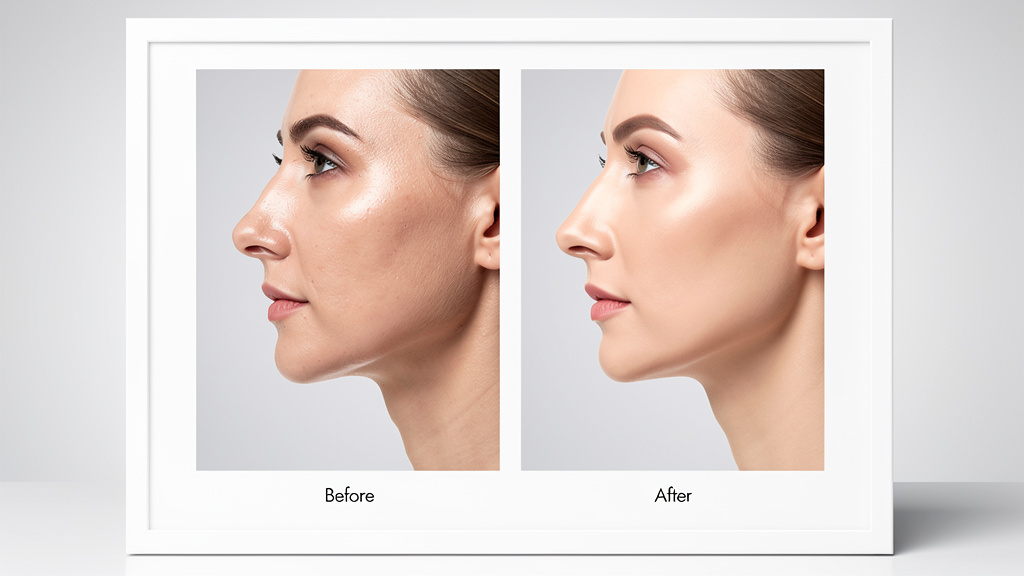
Rhinoplasty reshapes the nose to balance it with the rest of the face while protecting or improving breathing. Dr. Johar studies each patient’s facial proportions, ethnic background, and nasal structure before planning surgery. Common goals include reducing a hump, refining a wide tip, adjusting nostril size, and straightening a deviated septum. The focus stays on natural‑looking results so that the nose suits the face rather than drawing attention by itself.
For patients with deeper folds, jowls, or neck sagging, Dr. Johar offers full and mini facelifts, neck lifts, eyelid surgery, and brow lifts. He works on the supporting layers under the skin, not just the surface, so that the face looks fresher without an artificial “pulled” look. Non‑surgical treatments such as Botox and fillers may be combined with surgery to address fine lines and lost volume. The goal is a rested, age‑appropriate appearance that keeps each person’s natural character.
Breast augmentation at The Aesthetic follows a personalised, measured approach. Dr. Johar considers chest width, tissue thickness, skin quality, and patient preference when advising on implant type and size. Placement above or below the muscle is discussed, along with scar positions and recovery. Common reasons include increasing size, correcting asymmetry, or restoring shape after pregnancies or weight loss. Education about implant care, possible future replacement, and realistic expectations forms a key part of every consultation.
Post‑cancer breast reconstruction is a special focus for Dr. Manoj K. Johar. For many women, rebuilding the breast mound after mastectomy is not just cosmetic but an important step in emotional healing. Options include implant‑based reconstruction, flaps using the patient’s own tissue from the abdomen or back, or combined methods. Reconstruction may take place at the same time as mastectomy or in later stages, depending on oncology treatment plans. Dr. Johar works closely with cancer specialists to time each stage safely and strives to give results that help women feel whole and confident again.
Body contouring at The Aesthetic targets stubborn fat and loose skin that do not respond to diet and exercise. Liposuction shapes areas such as abdomen, flanks, thighs, arms, and back to create smoother lines. Tummy tuck tightens stretched muscles, removes extra skin, and can improve the look of stretch marks below the navel. Ideal candidates are near a healthy weight and willing to maintain active lifestyles after surgery. With careful planning, these procedures can give major improvement in body shape and clothing comfort.
Beyond cosmetic surgery, Dr. Johar is widely respected for trauma and injury reconstruction. Patients with facial fractures, complex hand injuries, burn scars, or major soft tissue loss often need several staged operations and advanced microsurgical techniques. Treatment plans aim to restore movement, sensation, breathing, and speech, while also improving appearance as much as possible. Long‑term follow‑up at The Aesthetic supports both physical recovery and emotional adjustment, helping trauma survivors return to daily life with renewed confidence.
After researching cosmetic surgery, many people still feel unsure about the final step. The best way to move from theory to clarity is a face‑to‑face consultation with a qualified plastic surgeon. At The Aesthetic, a visit with Dr. Manoj K. Johar offers a chance to discuss concerns, have a proper examination, and hear realistic options that match health, lifestyle, and budget.
Preparing a list of questions, bringing medical reports, and saving example photographs can make this meeting even more productive. Attending with a trusted family member or friend often helps with remembering information and emotional support. There is no need to rush into a decision on the same day, and seeking a second opinion from another board‑certified plastic surgeon is always acceptable. When the time feels right, the team at The Aesthetic is ready to guide you through each step, from planning to recovery.
Choosing the right cosmetic surgery is never a one‑size‑fits‑all decision. It involves careful thought about personal motivations, realistic goals, health status, and daily responsibilities. The best procedure for one person may be very different from the best procedure for another, even if the visible concern appears similar. Respecting this individuality is the foundation of safe and satisfying care.
Selecting a highly trained, board‑certified plastic surgeon is central to that process. With more than 15 years of specialised experience across both cosmetic and reconstructive surgery, Dr. Manoj K. Johar offers a strong combination of technical skill, artistic judgement, and genuine compassion. His work at Max Super Specialty Hospital and The Aesthetic shows how functional needs and aesthetic wishes can be balanced in a single, thoughtful plan.
Successful outcomes depend on partnership. Surgeon expertise, honest expectations, thorough preparation, and committed recovery all matter. When cosmetic surgery is chosen for healthy reasons and carried out under expert guidance, it can provide major gains in self‑confidence, comfort, and quality of life. If you feel ready to explore your options, The Aesthetic welcomes you to start this process with a detailed consultation, where your questions are heard and your safety and wellbeing are always the first priority.
Good candidates for cosmetic surgery are generally in sound health, with no uncontrolled conditions such as severe heart disease or poorly managed diabetes. They have clear concerns, such as a hump on the nose or loose abdominal skin, and sensible goals for improvement rather than perfection. Non‑smokers, or those willing to stop smoking well before and after surgery, tend to heal better. Stable weight and completion of major life events like childbearing often give more lasting results. During consultation, Dr. Johar reviews medical history, examines the area of concern, and advises whether surgery is appropriate or if other options are better.
A board‑certified plastic surgeon in India completes long, structured training, including MS and M.Ch. degrees in Plastic and Reconstructive Surgery. This covers burns, trauma, congenital deformities, cancer reconstruction, and a full range of cosmetic procedures. A doctor who calls themselves a “cosmetic surgeon” may come from any background and might only have short‑term training in a few aesthetic techniques. Plastic surgeons usually work in accredited hospitals, handle complex cases, and follow strict safety protocols, with memberships in bodies such as APSI, IAAPS, ASPS, or ISAPS. Choosing a board‑certified plastic surgeon like Dr. Manoj K. Johar gives stronger assurance of structured training, wide experience, and safer care.
Recovery time depends on the specific cosmetic surgery and each person’s healing speed. Non‑surgical treatments such as fillers or Botox often allow return to routine activities within a day or two. Procedures like rhinoplasty or breast augmentation usually need about one to two weeks before office work feels comfortable and four to six weeks before full exercise. Larger operations, such as tummy tuck or facelift, may require two to three weeks of reduced activity and several months before everything feels completely settled. During consultation, Dr. Johar gives a detailed, procedure‑specific timeline and advice on planning work leave and family support.
Most cosmetic surgery carried out for appearance only is not covered by standard health insurance in India. This means patients pay for the surgeon’s fee, hospital or clinic charges, anaesthesia, medicines, and any compression garments or support bras. Reconstructive procedures that treat medical problems, such as breast reconstruction after cancer, trauma repair, or correction of significant congenital deformities, may qualify for partial or full cover, depending on policy terms. The Aesthetic can help provide medical documents for claims when appropriate, but final decisions rest with the insurer. It is wise to speak to the insurance company before fixing a surgery date.
The best starting point is to describe what bothers you rather than asking for a named operation. For example, say you feel your nose looks too wide on photographs, or that your abdomen still bulges after pregnancies, and let the surgeon suggest suitable cosmetic surgery options. Research can give background, but self‑diagnosing may lead to the wrong choice. During consultation, Dr. Johar assesses anatomy, skin quality, health, and lifestyle to recommend one procedure or a combination that matches your goals. Remaining open to expert advice often leads to safer, more satisfying plans than sticking to a fixed idea.
All cosmetic surgery involves some risk, even when carried out by experts in good hospitals. General risks include anaesthesia problems, bleeding, infection, delayed healing, unfavourable scars, or results that do not fully match expectations. Each procedure has its own set of possible issues, such as implant‑related concerns in breast surgery, numbness after facelifts, or breathing changes after rhinoplasty. Smoking, certain medicines, and uncontrolled medical illnesses increase these risks. Choosing a board‑certified plastic surgeon, operating in accredited facilities, and following all pre‑ and post‑operative instructions lowers the chances of complications. Dr. Manoj K. Johar also uses thorough screening and close follow‑up to catch and treat any problems early.
The duration of results varies by procedure and personal habits. Some cosmetic surgery procedures, such as rhinoplasty or body contouring after stable weight loss, can give very long‑lasting changes that only shift slightly as natural ageing continues. Facelift results usually look good for many years, although the face will keep ageing at a slower, improved baseline. Non‑surgical treatments like fillers or Botox need regular review, often every few months to a year, depending on the product and area treated. Healthy lifestyle choices, such as sun protection, balanced diet, no smoking, and stable weight, help protect and extend the benefits of any procedure.
Partager cet article

Plastic surgery is continuously evolving, driven by advancements in technology and innovative techniques. The future holds exciting possibilities that promise to...