Someone struggles to breathe at night, snores loudly, and wakes up tired. Another person feels their nose looks too big or crooked in photos. Both search for information and very quickly run into the same phrase: Rhinoplasty vs Septoplasty. That is when confusion usually starts.
The nose does two very important jobs at the same time:
It sits in the middle of the face, shaping how a person looks.
It acts as the main gateway for breathing.
Because of this, surgery on the nose can focus on appearance, function, or both. Rhinoplasty and septoplasty both involve nasal surgery, yet one mainly focuses on how the nose looks, while the other is aimed at how the nose works.
At The Aesthetic – Dr. Manoj K. Johar Plastic Surgery in Delhi-NCR, rhinoplasty and septoplasty are handled by a surgeon who is highly experienced in both cosmetic surgery. That means patients do not have to choose between good breathing and a natural-looking nose. In this article, you will see clear explanations of each procedure, who may benefit, how they differ, how they can be combined, and what recovery feels like. By the end, Rhinoplasty vs Septoplasty should feel far less confusing, and it will be easier to discuss the right option with a specialist.
As many nasal surgeons like to say, “Form and function are partners, not rivals, in nose surgery.”
What Is Rhinoplasty? Understanding Cosmetic Nasal Reshaping
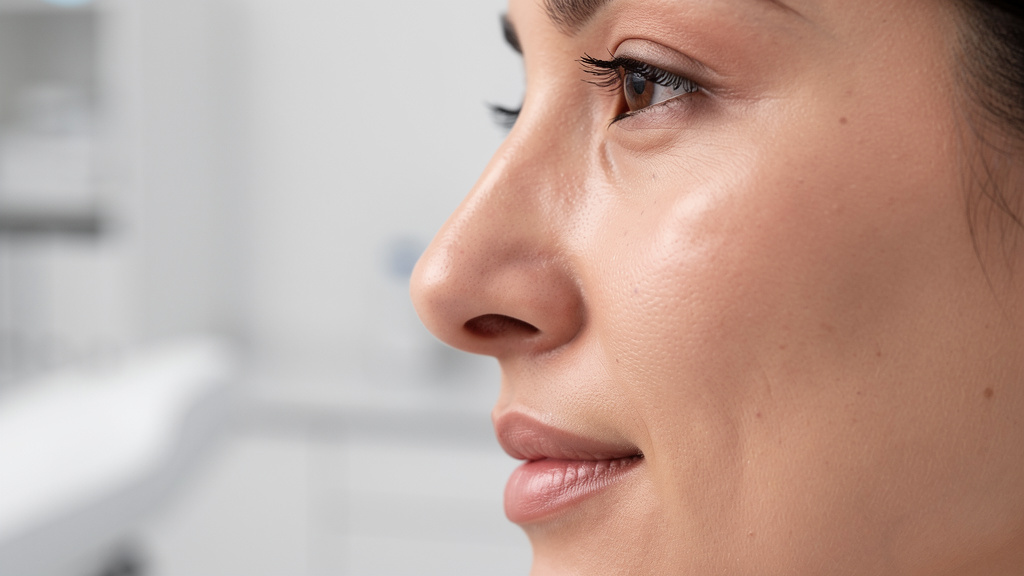
Rhinoplasty is the medical term for what many people call a nose job. It is a surgical procedure that changes the external shape, size, or proportions of the nose. People choose rhinoplasty when they feel their nose does not match the rest of their face, or when past injury has changed its shape. In some cases, it also helps breathing, but its main focus is cosmetic improvement.
During rhinoplasty, the surgeon works with:
The nasal bones
The upper and lower cartilages
The nasal tip
The nostrils
The skin that covers these structures
Small adjustments in these structures can make a big difference to the overall look of the face. The goal is not a “perfect” nose copied from someone else, but a nose that fits the person’s own features in a balanced way. At The Aesthetic, Dr. Manoj K. Johar pays close attention to face care so the nose looks natural, not obviously operated.
Rhinoplasty is usually done as a day-care procedure under general anaesthesia and takes about 1.5 to 3 hours. The results are intended to last for life, although the nose, like the rest of the face, will continue to age. Sometimes a second, smaller surgery is needed later to refine details, especially after very complex cases or trauma.
There are two main surgical approaches:
Closed rhinoplasty – All cuts are placed inside the nostrils, so there are no visible scars. This works well for many standard reshaping cases.
Open rhinoplasty – There is also a small cut on the strip of skin between the nostrils (the columella). This gives the surgeon a clearer view and is helpful for complex work, revision cases, or significant deformities.
A specialist like Dr. Johar decides which method suits each person after examining the nose and discussing goals.
Common Aesthetic Goals of Rhinoplasty
When people compare Rhinoplasty vs Septoplasty, cosmetic aims sit firmly on the rhinoplasty side. A frequent wish is to adjust overall nose size. Some feel their nose dominates their face and want it slightly smaller, while others with a low bridge or short nose hope for more height or projection so their features look balanced.
Common appearance-related concerns include:
A hump on the nasal bridge
A “saddle” appearance after injury or previous surgery
A nasal tip that feels too bulbous, droopy, or turned up
Wide or flared nostrils
A crooked nose or twisted bridge
Imbalance between the nose and other features like the chin and cheeks
Careful reshaping of the bridge and tip can give the face a softer, more refined look without making the person unrecognisable. Rhinoplasty can also narrow the base of the nose, facial plasty from birth or accidents, and bring everything into better proportion. When done by an experienced surgeon, these changes often bring a strong boost in day-to-day confidence.
What Is Septoplasty? Correcting Internal Nasal Function

While rhinoplasty reshapes the outside of the nose, septoplasty is focused on the inside. The nasal septum is the thin wall of bone and cartilage that sits in the middle of the nose and separates the two air passages. In many people, this wall is slightly off-centre, but when the bend is strong, it is called a deviated septum and can block airflow.
Septoplasty is a surgical procedure that straightens this septum so that air can pass more freely through both sides. The aim is to improve nasal function, not to change appearance. In almost all cases, the outer shape of the nose looks the same after surgery. Because it treats a medical breathing problem, septoplasty is considered a functional operation rather than a cosmetic one.
During septoplasty, the surgeon works entirely inside the nostrils:
The lining of the septum is lifted so the underlying bone and cartilage can be seen.
Bent or twisted parts are trimmed, reshaped, or repositioned closer to the midline.
Once the septum is straighter, the lining is placed back in position.
Soft internal splints or light packing may be used for a few days to support the new shape and control bleeding.
The procedure usually takes 30 to 90 minutes and is done as day-care surgery under local anaesthesia with sedation or under general anaesthesia, depending on the case and patient comfort. Because it corrects a medical breathing issue, septoplasty is often covered by health insurance when symptoms and failed medical treatment are properly documented. At The Aesthetic, Dr. Manoj K. Johar often performs septoplasty for patients who have spent years living with blocked noses, sinus trouble, or disturbed sleep.
Medical Conditions Addressed by Septoplasty
When people look up Rhinoplasty vs Septoplasty, they are often struggling with symptoms that point towards a deviated septum. The most obvious sign is chronic nasal obstruction, where one or both sides of the nose feel blocked most of the time. This may worsen when lying down or during exercise, and mouth-breathing becomes a habit.
A bent septum can also lead to:
Repeated sinus infections
Facial pressure and headaches
Loud snoring or suspected sleep apnoea
Dryness and frequent nosebleeds due to turbulent airflow
Association with nasal polyps, which may be removed during the same surgery
If someone has several of these problems and they do not improve with sprays, tablets, or allergy control, a septoplasty is often the next step. A careful examination, sometimes with a small camera (nasal endoscopy), confirms whether the septum is to blame and how severe the deviation is.
Rhinoplasty vs Septoplasty: Key Differences Explained
It is easy to see why people mix up Rhinoplasty vs Septoplasty. Both are nose surgeries, both can improve breathing, and both are often done as day-care procedures. However, their main purposes, techniques, and expected outcomes are very different. Understanding this distinction is important before deciding what to ask for in a consultation.
Rhinoplasty is driven mainly by appearance. Patients want a nose that looks better and sits in harmony with their face.
Septoplasty is driven by function. Patients want to breathe easily and to reduce symptoms such as snoring, blockage, or sinus infections.
Sometimes, both aims are present, which is where a combined procedure, septorhinoplasty, comes in.
The table below sums up the key points when comparing Rhinoplasty vs Septoplasty.
Aspect | Rhinoplasty | Septoplasty |
|---|---|---|
Primary Purpose | Improve the cosmetic appearance and symmetry of the nose. | Correct a deviated septum and improve nasal airflow. |
Surgical Focus | External nasal structures including bones, cartilage, tip, and nostrils. | Internal structure, mainly the nasal septum. |
Primary Motivation | Aesthetic improvement and higher self-confidence. | Medical need to relieve breathing problems and related symptoms. |
Cosmetic Change | Main target; visible change to the nose is expected. | No planned cosmetic change; outer nose usually looks the same. |
Breathing Improvement | Possible, but usually a secondary benefit. | Direct and main goal of the operation. |
Procedure Complexity | Technically demanding, with fine reshaping of the framework. | More focused operation on one internal structure. |
Anaesthesia | Almost always done under general anaesthesia. | Local with sedation or general, depending on the case. |
Typical Duration | Around 1.5–3 hours. | Around 30–90 minutes. |
Recovery Intensity | More visible swelling and bruising; longer refinement period. | Shorter and simpler recovery with little or no facial bruising. |
Results Timeline | Final look settles over 6–12 months. | Functional gains are felt within weeks; full healing in about 3 months. |
Insurance Coverage | Usually not covered, as it is cosmetic. | Often covered when done for medical reasons. |
When seen side by side, Rhinoplasty vs Septoplasty becomes easier to understand. One reshapes how the nose looks from the outside, the other clears the airway from the inside. Both, however, need a skilled surgeon. Someone like Dr. Manoj K. Johar, who is strong in both cosmetic and reconstructive nasal surgery, can guide patients towards the option that best matches their needs, or combine the two when that is the healthiest and most satisfying plan.
A common teaching in nasal surgery is: “A beautiful nose must breathe well, and a well-breathing nose should look natural.”
Who Should Consider Rhinoplasty? Ideal Candidates
Good candidates for rhinoplasty are people who are unhappy with how their nose looks and would like a change that feels natural and balanced. They may notice:
A hump on the bridge
A tip that feels too bulbous or droopy
Wide nostrils
A nose that seems crooked compared with the rest of the face
For some, the problem started after an accident or fracture; for others, they have felt self-conscious since their teens.
Rhinoplasty can also help when the external structure of the nose reduces airflow, for example:
When the nostrils collapse on breathing in
When the nose is twisted after old trauma
In these cases, people may search Rhinoplasty vs Septoplasty and discover that cosmetic reshaping can also support better breathing when the blockage is related to the outside framework.
From a health point of view, ideal candidates:
Are in good general condition without uncontrolled heart or lung disease
Are not pregnant or breastfeeding
Are non-smokers, or can stop smoking for several weeks before and after surgery
Have completed facial growth (typically by the mid-to-late teenage years)
Emotional readiness matters as much as physical health. The best results come when someone has realistic expectations and sees rhinoplasty as a way to improve their appearance, not to fix every problem in life.
At The Aesthetic, consultations with Dr. Manoj K. Johar are calm, honest conversations. He studies the nose, listens to personal goals, and explains what is realistically possible. This helps each person decide whether rhinoplasty is the right step for them.
Who Should Consider Septoplasty? Ideal Candidates
Septoplasty is best suited to people whose main complaint is difficulty breathing through the nose rather than dislike of its shape. These are the patients who often type in Rhinoplasty vs Septoplasty because they feel unsure whether their problem is cosmetic or internal. They might have:
Permanent blockage on one side of the nose
Noisy breathing or whistling sounds
Constant mouth-breathing, especially at night
Other signs that septoplasty may help include:
Persistent nasal congestion
Loud snoring that bothers a partner
Symptoms of obstructive sleep apnoea, such as waking unrefreshed or with morning headaches
Repeated sinus infections and facial pressure
Frequent nosebleeds linked to a deviated septum
Many people have tried sprays, steam inhalation, and allergy medicines for months or years, only to find that relief is always short-lived.
A formal diagnosis is made after a clinical examination of the nose. Sometimes a small camera (endoscope) is used to see the septum more clearly and to look for nasal polyps or other problems. People with mild deviation and minimal symptoms may not need surgery. Septoplasty is usually suggested when symptoms significantly interfere with daily comfort, sleep, exercise, or work.
As with any surgery, candidates should be in reasonable overall health. At The Aesthetic, Dr. Manoj K. Johar draws on his craniofacial surgery to correct even complex bends and previous nasal injuries. This helps restore clear airflow while keeping the outer appearance stable, which is often important for people who only want a functional change. Because septoplasty is a medical procedure, it is often covered by insurance when proper reports are provided.
Septorhinoplasty: Combining Form and Function
Some people do not fit cleanly into one side of the Rhinoplasty vs Septoplasty comparison. They struggle with blocked breathing and, at the same time, are unhappy with how their nose looks. For them, having two separate operations months apart can feel tiring and inconvenient. The answer in such cases is often septorhinoplasty, a single combined procedure.
In septorhinoplasty, the surgeon first straightens the internal septum, as in a standard septoplasty. Once the airway is opened and the internal structure is more stable, attention turns to the outer framework. The bridge, tip, and nostrils can then be reshaped in the same sitting, just as in a rhinoplasty. Cartilage removed from the septum is often reused as graft material to support or build up parts of the nose, which is considered good practice because it comes from the patient’s own body.
This combined approach is helpful in many situations, such as:
A crooked nose after a road accident, where the septum is also badly bent
A patient requesting cosmetic rhinoplasty who is found to have a significant deviation inside
Long-standing nasal congestion alongside visible deformity
Dr. Manoj K. Johar frequently performs septorhinoplasty at Max Hospital locations in Delhi-NCR. His dual background in cosmetic and reconstructive plastic surgery means he can plan the internal and external changes together, keeping both form and function in mind. For the right candidate, this can be a very satisfying way to address all nasal concerns at once.
Benefits of a Combined Procedure
A combined operation offers several clear advantages when someone needs both cosmetic and functional correction:
One recovery period instead of two, which means swelling, time off work, and activity limits happen only once.
Cost saving, as hospital, anaesthesia, and surgeon fees are grouped into a single event rather than repeated.
A more complete result, with a nose that both looks better and allows easier breathing.
Less overall exposure to anaesthesia and surgical stress.
Under the care of a surgeon like Dr. Johar, who is comfortable with both rhinoplasty and septoplasty techniques, septorhinoplasty becomes a safe and convenient way to address linked nasal issues.
Recovery and Healing: What to Expect After Surgery

Understanding recovery is just as important as understanding Rhinoplasty vs Septoplasty themselves. Although both procedures involve the nose, healing after each one feels different. Rhinoplasty has more visible swelling and takes longer for the final shape to settle, while septoplasty recovery is mostly about internal healing and breathing comfort.
No matter which procedure is chosen, following post-operative instructions carefully helps the nose heal well. Common advice includes:
Resting for several days
Keeping the head elevated
Avoiding pressure, bumping, or heavy glasses on the nose
Pain is usually manageable with prescribed or over-the-counter medicines, and many patients are surprised that discomfort is less than they expected.
At The Aesthetic, Dr. Manoj K. Johar and his team guide patients through each stage with clear advice and follow-up visits at Max Hospital. Knowing the rough timeline in advance makes it easier to plan work, childcare, and other responsibilities.
A helpful mindset for patients is: “Healing is a process, not a race—give your nose the time it needs.”
Rhinoplasty Recovery Timeline
Right after rhinoplasty, the nose is usually protected with a small splint or cast on the outside, and sometimes soft splints or packing on the inside. Immediately after surgery there is swelling and bruising, especially around the eyes, and the nose feels blocked because of internal swelling. Most people describe the feeling more as pressure and congestion than sharp pain, and this is well controlled with tablets.
During the first week:
Swelling and bruising peak around day two or three and then slowly start to settle.
Patients are advised to rest with the head raised on extra pillows and to avoid bending, lifting, or blowing the nose.
By the end of the week, the outer splint and any visible stitches are usually removed.
The nose still appears scar formation and the tip can feel numb or stiff.
Over weeks two to four:
Bruising fades and much of the swelling improves.
Many patients feel comfortable going back to work or social activities.
Light desk work can often restart after one to two weeks, depending on confidence and job type.
However, body contouring, contact sports, and anything that risks a knock to the nose must be avoided for several weeks.
From one to three months, internal swelling continues to reduce and breathing becomes easier. The nose looks more refined, but the tip remains the last part to settle. Between three and twelve months, small changes keep happening as the tissues soften and reshape. The final appearance of the nose after rhinoplasty is usually judged at around one year.
Septoplasty Recovery Timeline
Recovery after septoplasty is usually faster and easier to hide from others, which is another difference when people compare Rhinoplasty vs Septoplasty. Right after surgery, soft packing or splints may be placed inside the nose to support the septum. This causes a blocked feeling, so patients breathe through the mouth for a short time, and mild discomfort is handled with simple painkillers.
In the first few days:
Packing or splints are removed, often giving an immediate sense of relief.
Some light laser treatment or blood-stained discharge is normal.
Patients are asked to rest, avoid nose blowing, and keep the head raised.
Saline sprays can be used to keep the inside of the nose clean and moist.
By the end of the first week, most people are back to normal daily tasks and even work, as there is usually no facial bruising. Exercise and heavy lifting should still be limited for about three to four weeks to lower the chance of bleeding. Over the next two to four weeks, breathing continues to improve as swelling reduces.
Internal healing after septoplasty goes on for up to three months, but patients often feel the main benefit much earlier. As the airway stays clearer, they may notice better sleep, less snoring, fewer sinus infections, and an overall improvement in comfort.
Conclusion

When comparing Rhinoplasty vs Septoplasty, the main difference lies in what each surgery is trying to achieve. Rhinoplasty reshapes the outside of the nose to improve appearance and facial balance, while septoplasty straightens the internal septum to clear the airway and ease breathing. Both can change how a person feels day to day, one through better confidence in the mirror and the other through more comfortable breathing.
For many patients in Delhi-NCR, the most suitable option may be a combined approach, septorhinoplasty, which brings together the strengths of both procedures. Deciding among rhinoplasty, septoplasty, and septorhinoplasty depends on a person’s symptoms, medical findings, and personal goals. That is why a thorough consultation with an experienced nasal surgeon is so important.
Dr. Manoj K. Johar offers more than 15 years of focused work in cosmetic and reconstructive surgery, including advanced nasal procedures. At The Aesthetic, based in Max Hospital locations, patients receive careful assessment, honest advice, and a personalised surgical plan aimed at natural-looking results and safer breathing.
If concerns about nasal appearance, blocked airflow, or both have prompted a search for Rhinoplasty vs Septoplasty, this can be a good time to contact us. Scheduling a consultation with Dr. Johar can be the first clear step towards a nose that looks right, feels comfortable, and supports a better quality of life.
FAQs
Can Rhinoplasty and Septoplasty Be Performed at the Same Time?
Yes, they can be done together in a single operation called septorhinoplasty. This is often recommended for people who want cosmetic improvement and also need correction of a deviated septum for better breathing. Having one combined surgery means a single recovery period and, in many cases, lower overall cost. It also allows the surgeon to use septal cartilage as graft material for shaping the nose. Dr. Manoj K. Johar frequently performs septorhinoplasty at The Aesthetic for patient testimonials with both appearance and breathing concerns.
Will Septoplasty Change the Appearance of My Nose?
On its own, septoplasty is designed as an internal procedure and does not aim to change how the nose looks from the outside. The focus is on straightening the septum and improving airflow, so any change in appearance is usually minimal. In some cases of very severe deviation, the nose may look slightly straighter after surgery, but this is not the main goal. If someone would like both better breathing and a different nose shape, a combined septorhinoplasty is usually the more suitable choice.
Is Septoplasty Covered by Health Insurance in India?
Septoplasty is generally classed as a medical procedure when it is done to treat a deviated septum that causes breathing problems, repeated sinus infections, or sleep issues. Many health insurance plans in India cover it if there is proper documentation of symptoms and failed medical treatment. Exact coverage depends on the policy terms and the insurer’s rules. The team at The Aesthetic can help patients with reports and pre-authorisation when planning septoplasty. Purely cosmetic rhinoplasty, however, is usually not covered.
How Long Do I Need to Take Off Work After Rhinoplasty or Septoplasty?
Time off work depends on the procedure and the type of job:
After septoplasty, many patients feel ready to return to desk-based work within three to seven days, once packing is removed and discomfort has eased.
After rhinoplasty, one to two weeks away from work is common, as swelling and bruising around the eyes take time to fade.
Physically abdominoplasty recovery and contact sports need a longer break, often four to six weeks, to protect the healing nose. Dr. Manoj K. Johar advises a return-to-work plan based on each person’s role and healing speed.
What Are the Risks of Rhinoplasty and Septoplasty?
Like all operations, rhinoplasty and septoplasty carry some general risks such as infection, bleeding, or reactions to anaesthesia.
With rhinoplasty, there is a small chance that the fillers does not match expectations, or that breathing becomes more difficult if too much internal support is removed. There can also be facial implants or numbness in rare cases.
With septoplasty, risks include septal perforation, continued blockage, or changes in nasal sensation. Choosing a highly experienced, board-certified surgeon such as Dr. Manoj K. Johar, and having surgery in well-equipped Max Hospital facilities, helps keep these risks low and allows any problems to be handled promptly.