The mirror can be oddly stubborn. Even after a full night’s sleep, careful skincare, and every under-eye cream on the shelf, those dark half-moons can still stare back. Under-eye dark circles often make a face look tired, stressed, or older, even when a person feels fine. That is why many people now look at PRP for under-eye dark circles when creams and home tips stop helping.
Dark circles are more than a small cosmetic issue. Colleagues may ask if someone is unwell, friends may say they look exhausted, and photos can be uncomfortable to see. Over time this can chip away at self-confidence, especially for people who already live with scars, after cancer treatment, or with congenital differences. A gentle but effective medical treatment such as PRP for under-eye dark circles can feel like the missing step between skincare and surgery.
“The eyes are the window to the soul.” — Proverb
Platelet-Rich Plasma, or PRP, is a modern regenerative treatment that uses a person’s own blood to refresh the skin from within. There are no synthetic fillers and no harsh chemicals. The same healing factors the body uses to repair a cut are concentrated and injected into the delicate under-eye area. When skilled hands use PRP for under-eye dark circles, the aim is fresher, smoother, brighter skin that still looks completely natural.
At The Aesthetic – Dr. Manoj K. Johar in Delhi NCR, this treatment sits alongside advanced cosmetic and reconstructive procedures. With more than 15 years of specialised experience and a strong background in complex facial work at Max Super Specialty Hospitals, Dr. Johar understands how small changes around the eyes can influence the whole face.
This article explains what PRP is, how it works, why it has become so popular for under-eye dark circles, who it suits, what happens during treatment, and how it compares with other options. By the end, a reader will have clear, calm information to help decide whether PRP for under-eye dark circles may be the right next step.
What Is PRP Therapy and How Does It Work?
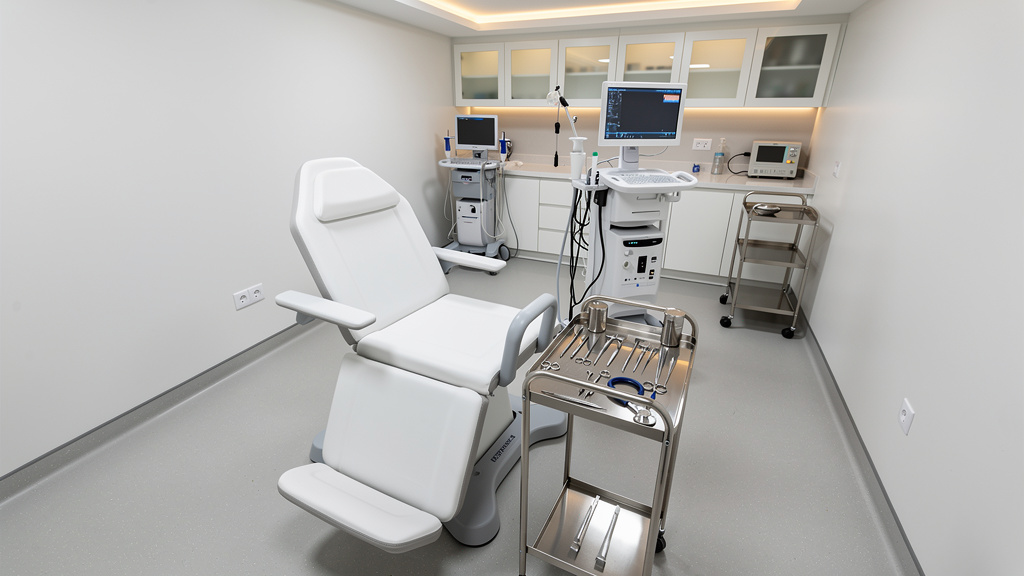
Platelet-Rich Plasma (PRP) is a concentrated part of a person’s own blood. Blood contains red cells, white cells, plasma, and platelets. Platelets are tiny cell fragments that help blood clot, but they also carry powerful growth factors that trigger repair. When a clinician prepares PRP for under-eye dark circles, they are gathering and focusing these natural repair tools.
The treatment is autologous, which means it comes entirely from the patient. A small amount of blood is drawn from a vein in the arm, much like a routine blood test. This tube goes into a centrifuge, a machine that spins at high speed. Spinning separates the blood into layers, and the clear, golden layer that holds a high number of platelets is carefully collected. This is the platelet-rich plasma used for treatment.
PRP is rich in platelets and in signalling proteins such as platelet-derived growth factor (PDGF), TGF‑β, and vascular endothelial growth factor (VEGF). It also contains cytokines and, depending on the preparation, may carry a very small number of circulating stem cells. These messengers act like a wake-up call for sleepy skin cells. They tell the tissue to repair damage, make fresh collagen, and improve blood flow.
For PRP for under-eye dark circles, this concentrated fluid is injected with very fine needles into the skin under and around the eyes. The growth factors reach fibroblasts, the cells that build collagen and elastin. Over the next weeks, the under-eye skin can become thicker and stronger, so the underlying blue blood vessels and dark muscle show through less.
PRP also supports the growth of tiny new blood vessels and improves microcirculation. Better blood flow means less pooling of deoxygenated blood that can give a bluish tone. At the same time, faster cell turnover helps the skin shed old pigmented cells and replace them with fresher ones. Over time, the under-eye area can look smoother, brighter, and a little more filled out, which explains why PRP for under-eye dark circles is viewed as more than just a cover-up.
The Root Causes of Under-Eye Dark Circles
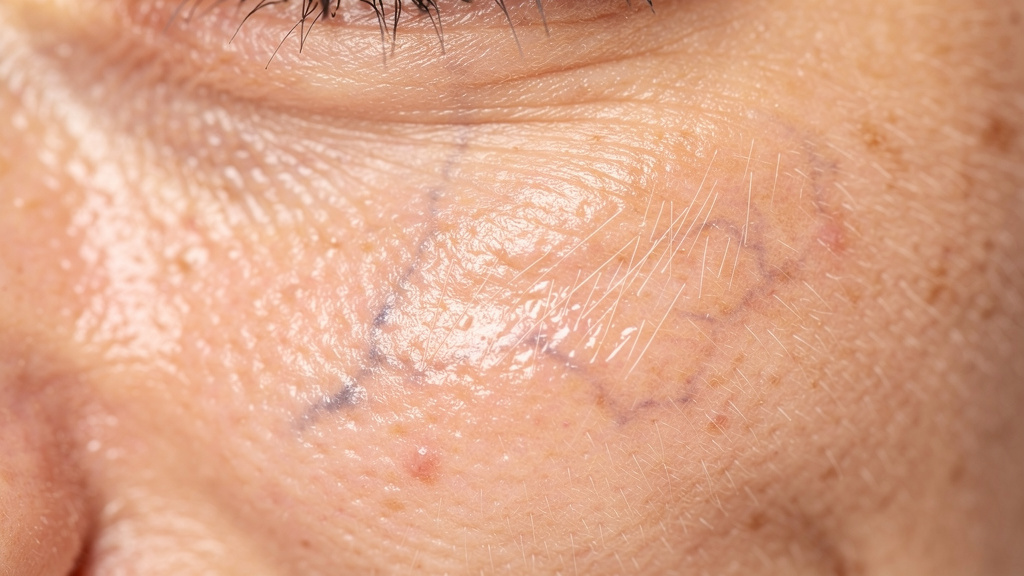
Under-eye dark circles rarely have a single cause. For many people, they are the result of a mix of genetics, natural ageing, and daily habits. This is one reason simple creams may not give the change a person hopes for, and why a deeper treatment such as PRP for under-eye dark circles can be helpful.
Several common factors tend to overlap:
Thin under-eye skin: The skin around the eyes is the thinnest on the body. As collagen and fat under the skin reduce with age, this fine skin becomes even more transparent. The dark orbicularis oculi muscle and tiny blood vessels underneath start to show through, giving a purple or blue tint.
Volume loss and hollows: Some people lose volume in the tear trough area, which forms a small hollow that catches shadow and makes the darkness seem worse.
Hyperpigmentation: Some skins naturally make more melanin under the eyes, especially in certain families and in deeper skin tones. Allergies, eczema, and frequent rubbing of the eyes can further increase pigment.
Poor circulation: Low blood flow can allow dark, low-oxygen blood to pool under the eyes, particularly on waking, adding a bluish or brownish tinge.
Lifestyle and environment: Lack of sleep, dehydration, smoking, and frequent alcohol intake can all make the skin look dull and sunken. Sun exposure without proper protection, diets low in iron or vitamins K, C, and B12, and constant exposure to pollution and stress can deepen the shadows.
To see how PRP fits in, it helps to match causes with what PRP can do.
Cause | How PRP Addresses It |
|---|---|
Thin skin revealing vessels | Stimulates new collagen and elastin, which can thicken and strengthen the under-eye skin |
Poor circulation and blood pooling | Supports growth of tiny blood vessels and improves microcirculation, which can reduce bluish tones |
Hyperpigmentation | Speeds up cell turnover, which can gradually lighten excess pigment in the top skin layers |
Volume loss and hollowing | Encourages fresh collagen that can give gentle plumpness and soften sharp hollows |
Because it works on skin quality, circulation, pigment, and subtle volume, PRP for under-eye dark circles offers a way to work on several common causes at once rather than just covering the surface.
Why PRP Has Become the Preferred Choice for Under-Eye Treatment

People with dark circles often read about many under-eye treatments. There are creams, peels, lasers, fillers, and even surgery. Over the last few years, more and more of them have started asking specifically about PRP for under-eye dark circles. Several clear reasons explain why PRP has become such a popular choice.
Before looking at other options, many patients value what PRP offers:
Strong safety record: Because it comes from the patient’s own blood, the chance of allergy or rejection is extremely low. There are no synthetic fillers or foreign materials sitting under the delicate eye area. When a skilled plastic surgeon such as Dr. Manoj K. Johar performs the injections using strict sterile technique, the risk of infection or other problems is kept very low.
Natural feel to the treatment: Patients who are unsure about chemicals or artificial fillers often feel comfortable with PRP. They like the idea that the body is simply receiving a concentrated dose of its own healing factors. PRP for under-eye dark circles fits well with people who already focus on nutrition, good skincare, and overall wellness.
Multiple benefits in one approach: Dark circles rarely come alone. There may be fine lines, crepey texture, mild hollows, or puffiness. PRP works on texture, pigment, firmness, and subtle fullness rather than on a single issue. Over time, the whole under-eye area can look smoother, more even in colour, and less tired.
Gradual, long-lasting change: PRP does not act like make-up or a quick cover. The growth factors start a repair process that goes on for three to four months after each session. Collagen created under the skin does not disappear overnight. With sensible skincare and healthy habits, benefits can last many months, and occasional top-up treatments can keep them going.
Short downtime: Most people can return to work or errands on the same day as their PRP session. There may be slight swelling or redness, sometimes a small bruise, but these usually settle within a couple of days. For busy professionals, parents, or carers, PRP for under-eye dark circles fits more easily into real life than options with longer recovery.
Suitable for many skin types and tones: Some laser and peel treatments carry a higher risk of new pigmentation in darker skin. PRP does not have this same concern because it uses the body’s own components. It is also gentle enough for sensitive skin when performed by an experienced doctor.
Soft, believable results: Because PRP relies on the body’s own repair systems, results appear gradually. Friends often notice that a person looks more rested or fresh without being able to tell they had a procedure. There is no sudden, overfilled look, which many people fear.
“When we treat the under-eye area, we are really treating how someone feels when they look in the mirror” is a common saying in aesthetic practice.
Taken together, these points explain why PRP for under-eye dark circles has become a favourite option in modern aesthetic practice. It respects the body’s biology, gives wide-ranging benefits, and, in careful hands like those of Dr. Johar, offers a calm, measured path to brighter eyes.
The PRP Treatment Experience: What Patients Can Expect
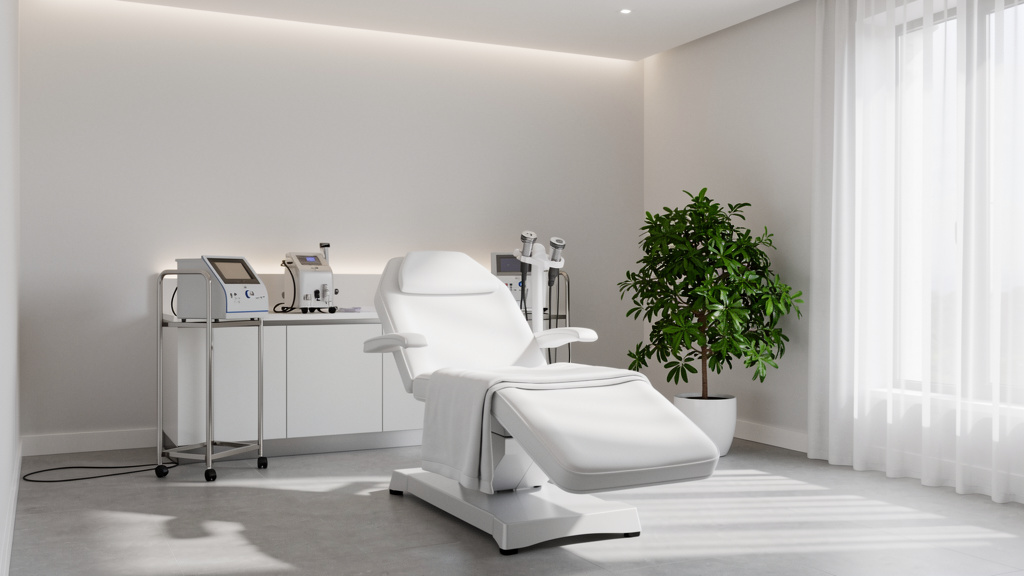
Knowing what will happen during a medical treatment near the eyes is very important for peace of mind. Many people feel nervous at the thought of injections in such a delicate area. At The Aesthetic, Dr. Manoj K. Johar takes time to explain each step of PRP for under-eye dark circles, answer questions, and build a plan that feels safe and realistic.
The process starts with a detailed consultation. Dr. Johar studies the under-eye area, checks skin thickness, hollows, bags, and pigmentation, and looks at how these fit with the rest of the face. He also reviews medical history, medications, and previous treatments. Some patients are better suited to surgery, fillers, or a mixed plan, and honest guidance at this stage is vital.
Once PRP for under-eye dark circles is chosen, the treatment visit itself is quite straightforward:
Blood draw and numbing: A small amount of blood is taken from a vein in the arm. Most people describe this as no different from a basic blood test. While the tube spins in the centrifuge to create the PRP, the under-eye skin is gently cleaned and a numbing cream is applied. This cream usually stays on for twenty to thirty minutes so that the skin feels comfortably numb.
Precise injections: When the PRP is ready, Dr. Johar draws it into fine syringes and carefully injects tiny amounts into planned points under and around the eyes. Very thin needles are used, and thanks to the numbing cream, many patients feel only light pressure or a small pinch. The whole process in the chair often takes between thirty and forty-five minutes.
Right after treatment: The area may look a little pink and slightly puffy. Some people prefer to rest at home for the afternoon, but many feel fine to return to office work or gentle daily tasks. It is wise to avoid heavy exercise, hot showers, saunas, or strong direct sun for the first day or two.
Aftercare and follow-up: Aftercare is simple but important. Patients are advised not to rub or massage the under-eye skin, to avoid harsh products such as strong retinoids for a few days, and to use a broad-spectrum sunscreen around the eyes when outdoors. Drinking plenty of water and keeping sleep regular can support the healing process. A typical course of PRP for under-eye dark circles includes two to four sessions, spaced three to six weeks apart, with first changes seen around three to four weeks and best results developing over three to four months.
Most people are pleasantly surprised by how quick and comfortable the experience feels. With his many years of work in both cosmetic and reconstructive surgery, especially around the face and eyes, Dr. Johar brings a calm, steady approach that helps patients relax through the process.
Who Is an Ideal Candidate for Under-Eye PRP Treatment?
Although PRP for under-eye dark circles is flexible and safe, it works best for certain patterns of concern. Understanding this helps set fair expectations before starting treatment.
Thin, transparent under-eye skin: People whose dark circles are mainly due to thin skin and visible blood vessels often do well. In these cases, the main issue is the “see-through” quality of the skin rather than deep pigment. By building new collagen and improving circulation, PRP can soften the blue or purple tones and give a healthier look.
Mild to moderate pigmentation: Those with extra under-eye pigment can also see good change. When excess melanin sits in the upper skin layers, faster cell turnover triggered by PRP can slowly lighten the area. This is especially true when patients also protect their skin from the sun and avoid rubbing their eyes.
Early hollows and fine lines: Individuals with early hollows and fine lines around the eyes often notice a smoother contour after treatment. PRP will not act like a thick filler, but by improving the skin’s support structure, it can decrease shadowing in the tear trough and reduce crepey texture.
Preference for natural, non-surgical care: Patients who prefer natural, non-surgical options are very drawn to PRP. They value that the treatment uses their own blood and involves tiny injections rather than cuts or implants. For many, PRP for under-eye dark circles feels like a comfortable middle ground between creams and surgery.
There are also clear times when PRP is not a good choice. People with blood disorders, very low platelet counts, active infections or rashes around the eyes, certain autoimmune diseases, current cancer, or those on chemotherapy are usually advised to avoid PRP. It is also not carried out during pregnancy or breastfeeding.
Another key point is eye bags caused by bulging fat pads. PRP cannot remove or shrink this fat. In such cases, a surgical procedure called lower eyelid blepharoplasty is needed to give real change. As a senior plastic and reconstructive surgeon, Dr. Manoj K. Johar can assess whether surgery, PRP, or a combination will best address an individual’s concerns and guide them through the safest path.
PRP vs. Other Under-Eye Treatments: A Comparative Look
Someone researching under-eye treatments can quickly feel overwhelmed by the number of options. Each method has strengths and limits, and the right choice depends on the main cause of the dark circles. This comparison table offers a simple overview, with PRP for under-eye dark circles alongside other common treatments.
Treatment | Method | Key Benefits | Limitations | Best For |
|---|---|---|---|---|
PRP Therapy | Injections of the patient’s own platelet-rich plasma into under-eye skin | Natural approach that improves texture, colour, firmness, and mild hollows with short downtime | Needs several sessions and results appear gradually over months | Thin skin, pigmentation, early hollows, fine lines, and those wanting a natural option |
Dermal Fillers with Hyaluronic Acid | Gel injected into the tear trough area | Gives instant volume and clearer contour under the eyes | Temporary effect, does not improve skin quality, risk of bluish Tyndall effect if placed too close to the surface | Deeper hollows in patients wanting fast, noticeable filling |
Chemical Peels | Controlled application of acids to the under-eye skin | Can lighten pigment and smooth rough texture | Possible irritation and peeling, not ideal for very sensitive or darker skins | Surface pigmentation with minimal volume loss |
Laser Therapy | Focused light energy directed at pigment or deeper skin layers | Can target pigment and stimulate collagen at the same time | Often higher cost, risk of new pigmentation in some skin tones, several sessions needed | Pigmentation and texture issues in lighter skin tones |
Topical Creams | Regular use of creams with ingredients such as vitamin C, retinoids, or caffeine | Non-invasive and easy to use at home | Limited effect on deeper structural causes such as hollows or very thin skin | Mild early concerns and maintenance after procedures |
Blepharoplasty | Surgical removal or repositioning of fat and sometimes skin under the eyes | Strong, long-term improvement for true eye bags and loose skin | Involves surgery, anaesthesia, more downtime, and higher cost | Bulging fat pads, very loose skin, and marked under-eye bags |
Seen in this context, PRP for under-eye dark circles tends to be the best fit for people whose main issues are skin quality, mild pigment, and early hollowing rather than large eye bags. It can also pair well with other treatments. For example, PRP may improve skin strength before or after filler, or support healing after lower eyelid surgery.
At The Aesthetic, Dr. Manoj K. Johar uses a detailed facial assessment to guide each person toward the mix of treatments that suits their anatomy, health, and comfort level. This careful matching helps patients invest their time and money in under-eye treatments that are more likely to give the change they want.
Real Patient Experiences: Why Patients Choose PRP at The Aesthetic
Many people who come to The Aesthetic share a similar story. They have lived with dark circles since early adulthood, tried countless creams, changed pillows, improved sleep, yet comments about looking tired keep coming. When they hear about PRP for under-eye dark circles, they want honest, medical information rather than marketing promises.
In consultation, Dr. Manoj K. Johar listens to these worries and studies the face in detail. Patients often say they feel heard rather than rushed. One common pattern is a working professional in their thirties with a family history of dark circles. They may feel too young or too busy for surgery but unhappy with how they look in meetings and photographs. After having PRP, many report only mild swelling for a day or so and are surprised when, a few weeks later, colleagues begin to remark that they look fresh or rested.
“For the first time in years, colleagues stopped asking if I was tired,” is a sentiment many under-eye PRP patients share.
Another group includes trauma survivors and post-cancer patients already under Dr. Johar’s reconstructive care. For them, PRP for under-eye dark circles can be a gentle finishing touch after major physical and emotional events. Softening the tired look around the eyes can help their outer appearance match how they feel as they heal.
Across these experiences, certain themes repeat. Patients appreciate the clear explanations, the careful, measured approach, and the support of a team used to handling delicate facial work. Many describe the effect of PRP as subtle but meaningful, giving them the confidence to meet the world without feeling that their eyes tell the wrong story.
Conclusion
Under-eye dark circles can be stubborn, and they touch much more than the skin. They can affect how a person feels about meeting clients, returning to work after cancer treatment, or even smiling in family photos. This is why a treatment such as PRP for under-eye dark circles has gained so much attention. It offers a gentle, natural way to support the skin’s own repair systems rather than simply covering the problem.
By using concentrated platelets from a patient’s own blood, PRP can improve skin thickness, microcirculation, pigmentation, and subtle volume over time. The treatment suits many skin types, has short downtime, and gives results that look like a fresher version of the same face. For the right candidate, especially when combined with healthy habits and good sun care, the benefits can last many months.
Choosing the right professional matters just as much as choosing the right treatment. The Aesthetic – Dr. Manoj K. Johar, with its base in Delhi NCR and strong links to Max Super Specialty Hospitals, brings together high-level cosmetic and reconstructive experience with a kind, patient-centred approach. If dark circles under the eyes have been a long-standing concern, a consultation with Dr. Johar can help clarify whether PRP for under-eye dark circles, surgery, or another plan is the best way forward. Brighter, healthier-looking under-eyes may be closer than they seem.
FAQs
Question 1: How Long Do PRP Results Last For Under-Eye Dark Circles?
Results from PRP for under-eye dark circles tend to build slowly and then hold for many months. Most patients enjoy visible improvement for around six to twelve months after a full course of sessions. Age, lifestyle, sun exposure, and skincare all influence how long changes last. Occasional maintenance sessions, usually once or twice a year, can help keep the skin firm and bright.
Question 2: Is PRP Treatment Painful?
PRP treatment is designed to be as comfortable as possible. Before PRP for under-eye dark circles, a strong numbing cream is applied to the area for twenty to thirty minutes. This makes the skin feel dull so that only light pressure or a small pinch is felt during injections. Any tenderness afterwards is mild for most people and usually settles within a day or two.
Question 3: How Soon Will I See Results After PRP Treatment?
PRP works by stimulating natural repair rather than by filling the area straight away. Most people notice early changes in skin texture and brightness about three to four weeks after their first PRP for under-eye dark circles session. Improvements then continue for three to four months as new collagen forms. Best results usually appear after completing the recommended two to four sessions.
Question 4: Can PRP Be Combined With Other Under-Eye Treatments?
Yes, PRP can sit very well alongside other under-eye treatments. Some patients have PRP for under-eye dark circles together with gentle fillers to address deeper hollows, or with microneedling to help the PRP spread through the skin more evenly. In other cases, PRP may support healing after eyelid surgery. Dr. Manoj K. Johar will plan timing and combinations carefully for safety and best results.
Question 5: Are There Any Side Effects or Risks With PRP For Under-Eyes?
PRP has a very good safety record because it uses the patient’s own blood. With PRP for under-eye dark circles, the most common effects are mild swelling, redness, or small bruises where the needle entered the skin. These usually fade within twenty-four to forty-eight hours. Serious problems are rare when treatment is carried out by an experienced, well-trained surgeon such as Dr. Manoj K. Johar and when aftercare advice is followed.