Acne often settles down with age, yet the acne scars it leaves behind can feel like a permanent reminder in the mirror. For many people, PRP for acne scars offers fresh hope when creams, home remedies, and basic treatments have not brought much change. The idea that a small amount of your own blood can help repair damaged skin sounds simple, but it rests on clear medical science.
Facial scarring affects many people who have had acne; studies suggest that up to nine out of ten patients develop some degree of marks. These scars can make someone look or feel older, tired, or less confident than they really are. Platelet-Rich Plasma (PRP) uses healing cells from the blood to boost repair where scars have pulled the skin down. Because PRP comes from the patient’s own blood, the risk of allergy or reaction is very low compared with treatments that use artificial fillers or chemicals.
This article explains how PRP for acne scars works, what happens during a typical session, how many sittings are usually needed, and who is likely to benefit most. It also looks at the science behind PRP, its use with microneedling, and what results to expect over time. Throughout, the focus is on safe, evidence-based care, as practised at The Aesthetic – Dr Manoj K. Johar, where more than 15 years of cosmetic and reconstructive experience guide each treatment plan. By the end, you will have a clearer idea of whether PRP could be a realistic, medical-grade option for smoother, healthier-looking skin.
Understanding Acne Scars Types And Formation
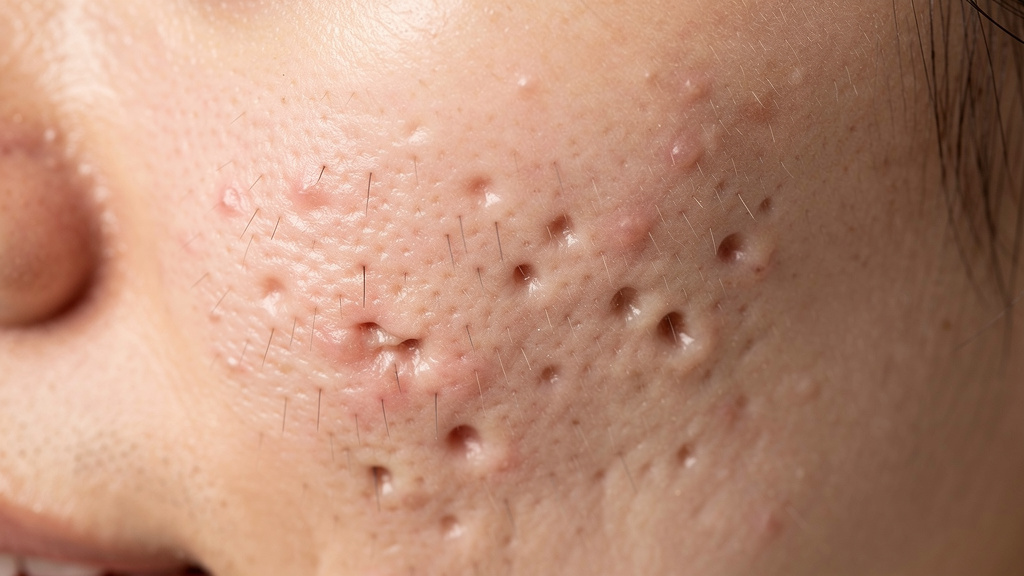
Acne starts when pores become blocked with oil, dead skin, and bacteria. This blockage leads to inflammation inside the skin, which can damage nearby collagen and elastin. When the body tries to heal, it may produce too much collagen or too little, and this imbalance creates acne scars.
When the skin does not make enough collagen during healing, it leaves behind atrophic scars that look depressed or sunken. These are the most common scars treated with PRP for acne scars, because they are closely linked to loss of volume and structure in deeper layers of the skin. When the skin makes too much collagen, it can form raised scars, called hypertrophic scars or keloids, which behave very differently and usually need other forms of treatment.
Among atrophic scars, doctors often see three main patterns:
Ice pick scars – narrow, deep holes that seem to pierce down into the skin; they make up many atrophic scars and are the hardest to smooth fully.
Boxcar scars – wider depressions with sharp edges, like a shallow crater, caused by broad loss of collagen in a patch of skin.
Rolling scars – wide and shallow with sloping edges, caused by fibrous bands that pull the surface of the skin down, giving an uneven, wavy look.
Hypertrophic and keloid scars sit above the skin level and come from extra collagen laid down during healing. These scars can be thick, itchy, or tender, and they behave more like a lump than a hollow. PRP for acne scars is usually not the first choice for these raised scars, and other methods such as injections or surgical techniques may be advised instead.
Beyond the physical marks, facial scarring can affect mood, social life, and self-image. Many people avoid photographs, social events, or even eye contact because they feel others notice their scars first. Understanding your scar type is the first step towards a clear treatment plan and shows that there are structured medical options designed specifically for this problem.
"Acne scars are treatable in most people; the key is choosing the right method for the right type of scar." — Board-certified dermatologist
What Is PRP Therapy And How Does It Work For Acne Scars?
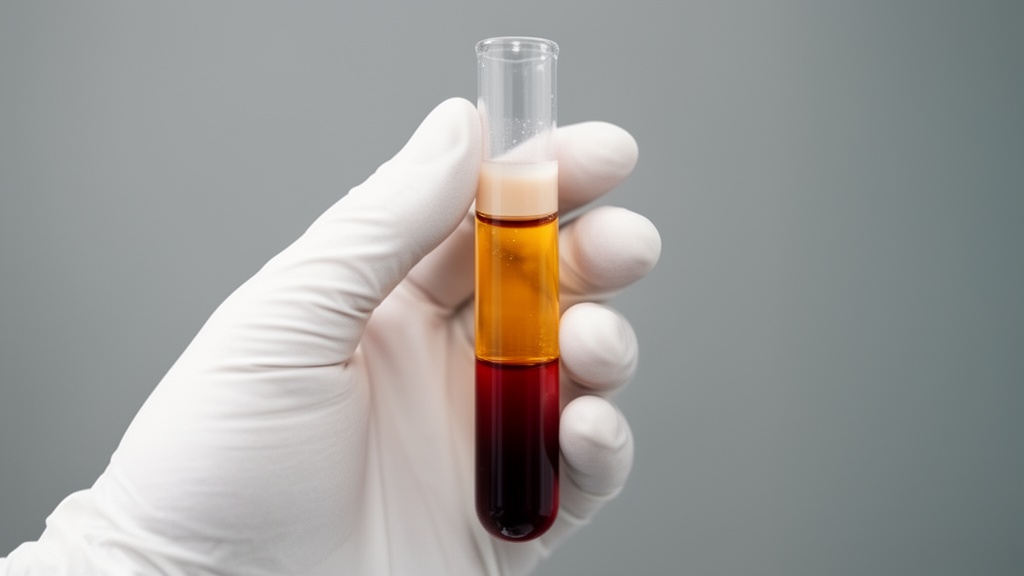
PRP (Platelet-Rich Plasma) is a concentrated portion of a person’s own blood that contains a high level of platelets. Platelets are tiny cells that help with clotting and natural healing. When they are collected and concentrated, they release strong growth factors that support tissue repair. Because PRP is autologous—it comes from the same person—the risk of allergy or rejection is very low.
In PRP for acne scars, doctors use this concentrated plasma to trigger repair in areas where the skin has lost collagen and firmness. The growth factors in PRP help restart healing in skin that has been stable but damaged for years. This fits within regenerative medicine, which uses the body’s own repair tools to improve damaged tissue rather than simply covering it.
Some of the most important growth factors in PRP include:
Platelet-Derived Growth Factor (PDGF) – supports cell growth and new blood vessel formation, bringing more oxygen and nutrients to the treated area.
Transforming Growth Factor Beta (TGF-β) – helps build new collagen and elastin, the fibres that give skin structure and bounce.
Vascular Endothelial Growth Factor (VEGF) – encourages new blood vessel growth, improving circulation and support for the skin.
Epidermal Growth Factor (EGF) – promotes faster renewal of the top layer of skin, improving surface texture and tone.
When PRP is injected or applied into scarred skin, these growth factors signal nearby cells—especially fibroblasts and local stem cells—to become active. This process, called neocollagenesis, leads to gradual building of new collagen in the base of the scar. Over time, the hollow areas can rise as fresh collagen fills the spaces, and the skin surface looks smoother.
PRP for acne scars works best for atrophic scars because these scars are caused mainly by loss of tissue. By encouraging steady collagen rebuilding, PRP targets the weak point in this type of scarring. The change is not instant; it develops slowly over weeks and months, creating natural, gradual improvement rather than a sudden, artificial look.
The PRP Treatment Procedure What To Expect
Knowing what happens at each step can make PRP for acne scars feel much less worrying. The process starts with a detailed consultation with a qualified plastic surgeon or dermatologist. During this visit, the doctor examines the skin, notes the types of scars present, and may use a grading scale such as the Goodman and Baron system to record severity. Medical history, medicines, and past cosmetic treatments are reviewed so that any safety issues are clear from the start.
A typical treatment visit then follows these steps:
Blood draw – Around 5–10 millilitres of blood are taken from a vein, similar to a routine blood test. The blood is placed into a special tube with an anticoagulant so that it does not clot.
Centrifugation – The tube is placed in a centrifuge, which spins at high speed to separate the blood. After the first spin, red blood cells settle at the bottom, a middle layer rich in platelets forms (the buffy coat), and a pale top layer of platelet-poor plasma sits above. The plasma and buffy coat go through a second, slower spin to concentrate the platelets. The lower part of this final mix is the PRP.
Numbing the skin – The treatment area is cleaned and covered with a thick layer of topical anaesthetic cream, often a mix of lidocaine and prilocaine. This stays on the skin for about 30–45 minutes under a film so that it can fully numb the surface. Many patients report only mild pressure or a pinching feeling during the session because of this step.
Applying PRP – There are two common methods:
Using very fine insulin syringes to inject tiny amounts directly into and around each scar, placing growth factors exactly where they are needed.
Combining PRP with microneedling, where a device with small needles creates micro-channels in the skin and PRP is spread over the area so it can seep through these openings.Your doctor may use one or both methods depending on the scar types present.
Immediate aftercare – After the injections or microneedling, the skin is gently wiped with saline to remove any blood or extra PRP. Cool packs may be placed on the treated areas to reduce redness, heat, and swelling.
After treatment, the skin often looks flushed, like a mild sunburn, and may feel tight or warm for a short time. These effects are normal and usually settle over the next day or two.
PRP Combined With Microneedling Better Results Through Synergy
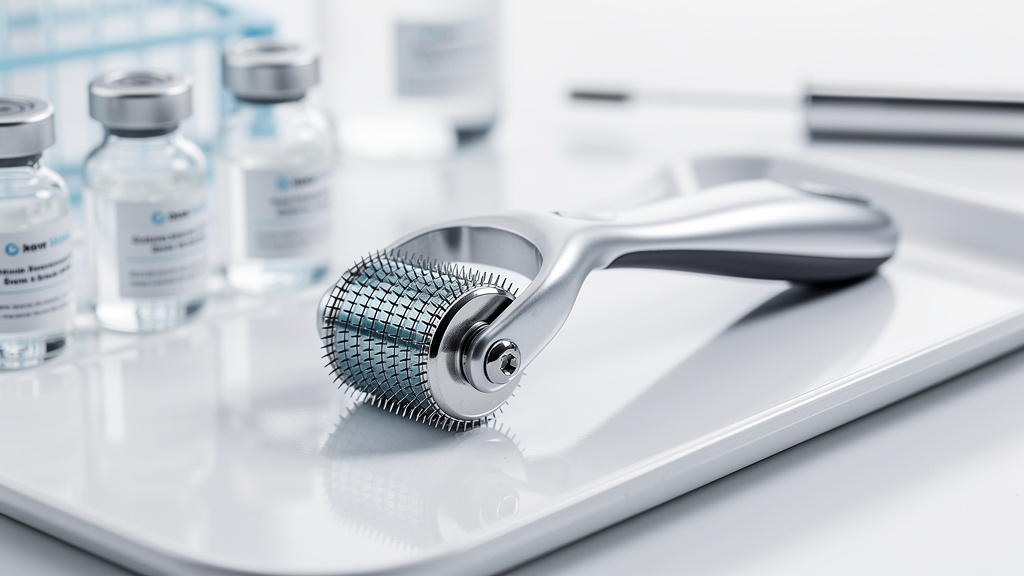
Microneedling, also called collagen induction therapy, uses a roller or pen device fitted with many tiny needles, often around 1.5 millimetres long for acne scars. As the device glides over the skin, it creates thousands of tiny, controlled injuries. These micro-injuries trigger the body’s natural wound-healing process, which includes new collagen and elastin production. Even on its own, microneedling can improve skin texture, fine lines, and mild scarring.
When microneedling is combined with PRP for acne scars, the two treatments support each other very well. The micro-channels created by the needles reach down into the dermis, where collagen fibres sit. When PRP is applied over the skin right after microneedling, the liquid seeps through these channels and delivers growth factors much deeper than simple topical creams. This means the active components in PRP reach the fibroblasts—the cells that make collagen—more directly.
In this combined method, microneedling acts as the trigger, giving the body a reason to start the repair cycle, while PRP supplies a rich dose of natural healing signals to guide that repair. Studies comparing microneedling alone with combined PRP and microneedling show clearer improvement in scar depth, pore size, and overall skin texture when both are used together. Many patients also notice a brighter, more even tone and a firmer feel to the skin.
Because of these benefits, many specialists regard combined PRP and microneedling as one of the most complete non-surgical approaches for atrophic acne scars. At The Aesthetic – Dr Manoj K. Johar, this pairing can be adjusted for each person, with changes in needle depth, PRP volume, and number of passes to suit different scar patterns and skin types.
To understand how the methods compare, it helps to look at them side by side:
Treatment Option | Main Action | Typical Effect On Atrophic Acne Scars | Usual Downtime |
|---|---|---|---|
Microneedling alone | Creates micro-injuries that trigger collagen production | Gradual softening of mild scars and texture irregularities | 1–2 days of redness |
PRP injections alone | Delivers concentrated growth factors into scarred skin | Firmer skin and moderate lifting of depressed scars | 1–3 days of redness or mild swelling |
Microneedling + PRP | Combines collagen stimulation with targeted growth factors | Greater reduction in scar depth, pore size, and uneven tone | 2–3 days of redness; often faster visible improvement |
"Combining collagen induction with platelet-rich plasma is one of the most effective ways to smooth atrophic acne scars without surgery." — Cosmetic dermatologist
Clinical Evidence PRP Efficacy And Expected Outcomes
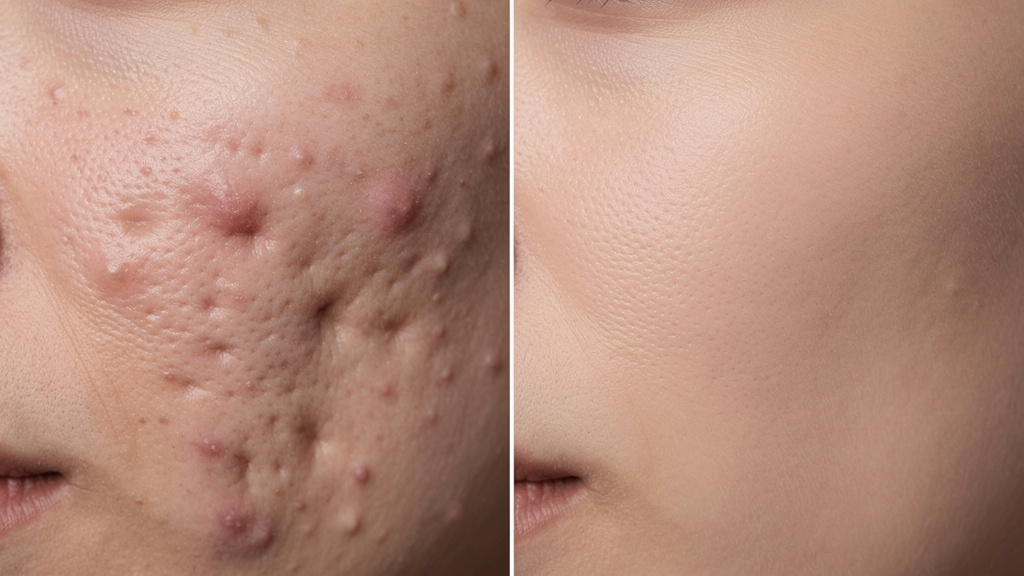
Scientific research supports the use of PRP for acne scars, and one of the most helpful study designs is the split-face trial. In these studies, each patient acts as their own control: one side of the face receives one treatment, and the other side receives a different one. This design removes many variables, such as age and genetics, because both sides belong to the same person.
In a commonly cited study, one side of each patient’s face was treated with microneedling alone, while the other side received microneedling plus PRP injections for acne scars over four monthly sessions. Improvement was then graded using standard scales and patient feedback. On the microneedling-only side, most people showed a fair response, meaning modest change in scar depth and texture. On the PRP side, about 80% of patients had a good response and the remaining 20% had an excellent response, with clear softening of scars and smoother skin.
These numbers, echoed in other clinical papers, show that adding PRP for acne scars can raise the level of improvement beyond what microneedling alone achieves. The difference is visible not just in photographs but also in how patients feel about their appearance, with higher satisfaction scores on the PRP-treated side.
A typical course of treatment involves three to four sessions, spaced roughly four weeks apart. Some people notice a fresh glow and slight improvement in texture within the first week, but the main change in scar depth becomes noticeable after the second or third session. Collagen remodelling is slow by nature, so the skin can continue to improve for three to six months after the final treatment.
Results vary from person to person. Factors such as the age and depth of the scars, skin type, lifestyle, and how carefully post-care advice is followed all play a part. The realistic goal with PRP is a clear reduction in scar visibility and better overall skin quality, not a perfectly airbrushed effect.
"No single treatment erases every acne scar, but steady collagen stimulation often gives people a level of improvement that feels life-changing." — Board-certified dermatologist
Who Is An Ideal Candidate For PRP Therapy?
PRP for acne scars suits many adults who are bothered by depressed scars that make the skin look uneven. People with:
Rolling scars
Boxcar scars
Some shallow ice pick scars
often see worthwhile change because PRP directly addresses collagen loss under these marks. Those who also notice enlarged pores, dullness, or fine lines often appreciate the added glow and firmness that PRP brings to the whole treated area.
PRP appeals to people who prefer a non-surgical, natural method that uses their own blood rather than synthetic fillers. The treatment works well across most skin tones, including darker skin, as it has a lower risk of pigment changes compared with strong ablative lasers. It can also help soften certain surgical scars or marks from past injuries when used as part of a planned scar revision programme.
However, PRP is not suitable for everyone. It may not be the right choice for:
People with active acne or skin infections in the treatment area
Those with a history of thick, raised scars or keloids
Individuals with blood disorders, very low platelet counts, or on strong blood-thinning medicines
Pregnant or breastfeeding women
People with active cancers, especially of the skin
Mindset also matters. Someone expecting complete erasure of every scar may feel disappointed even after good improvement. A detailed consultation at The Aesthetic – Dr Manoj K. Johar helps confirm whether PRP is a safe, worthwhile choice based on medical history, skin condition, and personal goals.
Benefits Of PRP For Acne Scars And Overall Skin Health
One of the biggest strengths of PRP for acne scars is its natural origin. Since the treatment uses a small amount of the patient’s own blood, there is no risk of allergy to foreign substances, and no animal or synthetic products are injected. For many people who feel cautious about dermal fillers or strong chemical peels, this offers extra peace of mind.
PRP is also minimally invasive. There are no cuts or stitches, and the skin surface stays largely intact apart from tiny needle marks. Most people experience only mild redness and swelling that settle within one to two days, so they can return to work or home routines quickly with simple precautions such as sun protection. This is very different from deep laser resurfacing or dermabrasion, which can need a longer healing phase and careful wound care.
Another key benefit is that PRP treats more than just scars. By boosting collagen and elastin production across the treated area, PRP can:
Improve firmness and elasticity
Reduce the look of fine lines
Refine enlarged pores
Give a fresher, more even skin tone
Because the body is rebuilding its own tissue rather than adding bulk from outside, the results develop gradually and look natural. With good skincare and sun care, the benefits can last for many months, and occasional top-up sessions can help maintain the gains.
When compared with high-end lasers or surgical scar revision, PRP for acne scars can also be more cost-effective. It offers noticeable change in texture and scar appearance without the higher costs and longer recovery linked to some aggressive procedures, making it a practical choice for many people.
Post Treatment Care Maximising Your Results
Good aftercare makes a big difference to how well PRP for acne scars works. Right after the session, it is common for treated areas to look red and slightly swollen, similar to mild sunburn. The skin may feel tight, warm, or a bit tender to touch. Small spots of pinpoint bleeding or light bruising can appear, especially around injection sites, but these usually clear within a few days.
Key post-treatment tips include:
Protect from the sun – The skin is more sensitive to ultraviolet light while it heals. Use a broad-spectrum sunscreen with at least SPF 30 every day, even indoors or in cloudy weather. Avoid direct sun exposure, such as midday outdoor activities without protection, for several days.
Keep skincare gentle – For the first 48–72 hours, avoid products with acids, retinoids, dermabrasion scrubs, or alcohol. Use a mild cleanser and plain, hydrating moisturiser to keep the area comfortable.
Avoid heat and sweat – Skip heavy exercise, saunas, steam rooms, and swimming pools for a couple of days, as sweat and heat can increase redness and the risk of irritation or infection.
Delay makeup – Avoid makeup for at least 24–48 hours to allow micro-channels and injection points to close before cosmetic products touch the skin. In some cases, your doctor may prescribe a short course of topical antibiotic cream, especially when microneedling is used with PRP.
Watch for warning signs – Contact your doctor promptly if you notice increasing redness, pain, warmth, or pus, as these can suggest infection and need review.
Long term, the skin benefits from a consistent routine that includes gentle cleansing, regular moisture, and daily sunscreen. Healthy habits—such as not smoking, staying well hydrated, eating a balanced diet, and getting enough sleep—support the collagen building started by PRP.
Why Choose The Aesthetic – Dr Manoj K. Johar For PRP Treatment?
Choosing the right specialist for PRP for acne scars is as important as choosing the treatment itself. Dr Manoj K. Johar brings more than 15 years of focused experience in cosmetic and reconstructive surgery, including complex work for trauma, cancer, and congenital conditions. This deep understanding of facial anatomy, scarring, and tissue healing is valuable when planning advanced treatments such as PRP.
At The Aesthetic in Delhi NCR, every patient starts with a thorough consultation, where concerns, medical history, and expectations are discussed in detail. PRP is never used as a one-size-fits-all approach; instead, the number of sessions, combination with microneedling, and supporting skincare are planned to suit each person’s scar types and skin behaviour.
The clinic’s association with Max Super Specialty Hospitals means that treatments are carried out in a setting with high standards of hygiene, safety, and medical support. From sterile equipment to trained staff, each step is designed to keep risk low while aiming for steady, natural-looking improvement. Dr Johar follows evidence-based care, so treatment plans are guided by current research rather than short-lived trends.
Just as important is the compassionate attitude towards people who feel distressed by their scars. The team understands how acne scars can affect confidence and social life, and they work to provide clear explanations, realistic hope, and ongoing support through the treatment process. For many patients, this combination of expertise, safety, and empathy makes The Aesthetic – Dr Manoj K. Johar a trusted place to consider PRP for acne scars.
Conclusion
Acne scars can feel permanent, yet modern regenerative treatments such as PRP for acne scars show that long-standing damage can often be softened in a natural way. By using concentrated platelets from a patient’s own blood, PRP delivers powerful growth factors exactly where the skin needs support. Over time, this can lead to new collagen, smoother texture, and a more even surface without surgery or artificial fillers.
Clinical studies, as well as day-to-day experience in clinics, show that PRP—especially when combined with microneedling—gives better improvement in atrophic scars than microneedling alone for many patients. The treatment offers several advantages, including a low risk of allergy, minimal downtime, and added benefits for overall skin health such as better firmness and glow. With proper aftercare and realistic expectations, many people see noticeable change in both how their skin looks and how they feel about it.
"The best cosmetic treatment is the one that restores confidence while keeping you looking like yourself." — Cosmetic surgeon
For best results, PRP for acne scars should be planned and carried out by a trained, experienced specialist who understands scar behaviour and skin healing. At The Aesthetic – Dr Manoj K. Johar, patients receive this level of care within a safe, hospital-linked setting. If you feel held back by acne scars, booking a detailed consultation is a practical first step. Your skin can often look smoother and more confident with the right guidance and treatment plan.
FAQs
1. Is PRP Treatment Painful?
Most people find PRP for acne scars quite manageable. A strong topical anaesthetic cream is applied before treatment, which numbs the skin well. During injections or microneedling, some patients feel mild pressure, stinging, or scratching, but this is usually brief. Any discomfort after the session is usually limited to a tender, sunburn-like feeling that settles within a day or two.
2. How Long Does Each PRP Session Take?
A typical PRP session lasts about one to one and a half hours. Drawing blood and preparing the PRP in the centrifuge takes around 15–20 minutes. The numbing cream then needs about 30–45 minutes to work. The actual injections or microneedling usually take a further 15–30 minutes, depending on how many areas are treated.
3. Are There Any Risks Or Side Effects Associated With PRP?
PRP for acne scars is considered very safe because it uses your own blood rather than foreign materials. Common side effects include temporary redness, mild swelling, a feeling of heat, and small bruises at injection sites, all of which usually pass within a few days. Infection and scarring problems are rare when the procedure is carried out by a qualified doctor in a sterile setting and aftercare instructions are followed carefully.
4. How Soon Will I See Results From PRP Treatment?
Some people notice a fresher glow and smoother feel to the skin within a week of the first session. However, the main change in scar depth appears more slowly because the body needs time to make new collagen. Most patients see clearer improvement after the second or third session of PRP for acne scars. The skin can continue to improve for three to six months after the final treatment as collagen remodelling continues.
5. Can PRP Completely Remove All My Acne Scars?
PRP often gives significant softening of atrophic acne scars, but it does not usually erase every mark. The amount of improvement depends on the type, depth, and age of the scars, as well as how each person heals. Deep ice pick scars may need extra methods, such as minor surgical procedures or other treatments, alongside PRP. The realistic aim is a visible reduction in scar depth and a smoother, more even skin surface, rather than total perfection.
6. Is PRP Suitable For All Skin Types?
Yes, PRP for acne scars is suitable for most skin types and shades, including sensitive and darker skin. Because it uses your own blood, the risk of allergic reaction is extremely low. Compared with strong ablative lasers, PRP also has a lower chance of causing unwanted pigment changes, which makes it an appealing option for people worried about marks or darkening after aggressive treatments.