Many people stand in front of a mirror and picture how their face might look with a slightly different nose. Typing nose surgery in Delhi or nose job in Delhi into a search bar, then facing pages of clinics, prices, and big promises, can feel confusing and a little scary. The nose sits in the centre of the face and also controls how well a person breathes, so safety is not just important, it is non‑negotiable.
People choose rhinoplasty in Delhi for several reasons, for example:
Wanting a straighter bridge, a finer tip, or smaller nostrils
Wanting the nose to look better balanced with the chin, lips, or forehead
Struggling with blocked breathing, snoring, or a deviated septum and considering septoplasty in Delhi
Needing both appearance and function corrected at the same time (septorhinoplasty)
Whatever the reason, one question stays the same in every mind: “Is it safe?”
Delhi has gained a strong name for nasal surgery in Delhi and plastic surgeons. The city offers advanced hospitals, experienced surgeons, and a wide range of prices, from very low quotes to premium care. This mix creates opportunity, but also risk, because quality can vary widely between centres that look similar on a website.
This guide helps cut through that noise. Drawing on clinical best practice, it explains what makes nose surgery in Delhi safe, how to check a surgeon’s training and track record, what a safe hospital looks like, and which red flags to avoid. It also shows how a practice like The Aesthetic – Dr Manoj K Johar brings cosmetic and reconstructive skill together under one roof.
“The goal of nasal surgery is a nose that looks natural and lets you breathe freely.” – Common plastic surgery principle
By the end, anyone reading will know how to judge surgeons and clinics with confidence, understand fair pricing, and feel prepared to ask strong, clear questions before deciding on rhinoplasty.
Understanding Nose Surgery: Types And Purposes
Before choosing a surgeon, it helps to understand what type of nose operation is under consideration. Rhinoplasty in Delhi usually describes cosmetic reshaping of the outside of the nose, while septoplasty in Delhi focuses on the inside wall that divides the nostrils to improve breathing.
When both shape and breathing need attention, surgeons often plan a facial surgery called septorhinoplasty. In this case, the same surgery refines the outside while also straightening the septum or opening blocked areas. Done well, this gives a nose that looks natural on the face and works better for airflow.
There are two main surgical approaches to nose reshaping surgery:
Open rhinoplasty – the surgeon makes a small cut across the strip of skin between the nostrils, lifts the skin, and works with a clear view of the cartilage and bone. This is helpful for detailed or revision work.
Closed rhinoplasty – all cuts stay hidden inside the nostrils. This method suits simpler changes and avoids a small external scar.
Revision rhinoplasty corrects problems after a previous operation. This can be much harder because of scar tissue and changed anatomy, so it demands extra experience and care. Understanding whether the case is primary, functional, or revision helps a person choose a surgeon with the right depth of skill.
In simple terms, most patients fall into one of these broad groups:
Cosmetic rhinoplasty for shape and balance
Functional septoplasty for breathing problems
Combined septorhinoplasty for both look and airflow
Revision rhinoplasty after earlier surgery
Safety Standards: Nose Surgery In Delhi
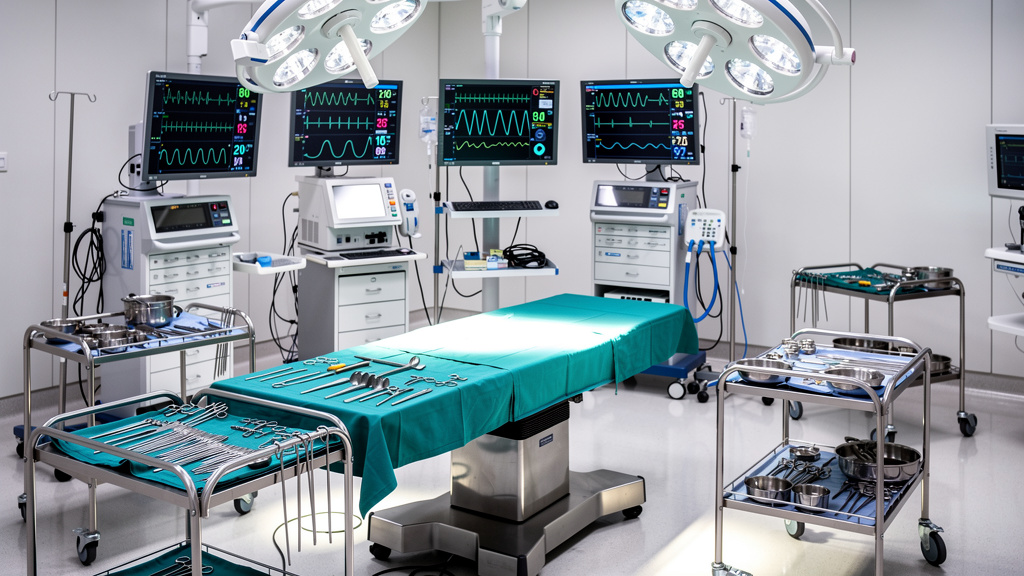
Delhi sits among India’s top centres for plastic surgery. Doctors register with the National Medical Commission (earlier the Medical Council of India), and plastic surgeons usually belong to specialist bodies such as the Association of Plastic Surgeons of India (APSI). Hospitals often hold national or international accreditation, which sets clear rules for patient safety.
Two key systems matter here. NABH (National Accreditation Board for Hospitals) sets Indian quality and safety standards, while JCI (Joint Commission International) audits hospitals to global benchmarks. When nose surgery in Delhi takes place inside a NABH or JCI accredited centre, it usually means strong processes for infection control, anaesthesia, record‑keeping, and emergency care.
“Accreditation does not replace a skilled surgeon, but it adds an extra layer of safety.” – Common hospital quality saying
However, not every clinic or small centre follows the same standards. Some may run without full monitoring equipment, specialist anaesthetists, or proper sterile theatres. Others may lack an ICU or backup if a rare complication appears. This is why checking where a surgeon operates is just as important as checking who they are.
A safe nasal surgery in Delhi should happen in a hospital or day‑care centre that can handle both routine recovery and rare emergencies. That means clean, well‑maintained theatres, reliable sterilisation, trained nursing staff, and clear checks before and after surgery. When these systems are in place, studies show that complication rates for rhinoplasty stay low and most patients heal without major issues.
A quick way to check accreditation is to:
Look for the NABH or JCI logo on the hospital’s website
Confirm the name on the official NABH/JCI online list
Ask the hospital staff directly during a visit
Basic Clinic Versus Accredited Facility For Nose Surgery
Feature | Basic Clinic | NABH/JCI Accredited Hospital |
|---|---|---|
Sterile operation theatre | May be limited or shared | Dedicated, fully controlled environment |
Anaesthesia team | Often single doctor with limited support | Specialist anaesthetists with full monitoring staff |
Emergency equipment | Basic equipment only | Full resuscitation setup and ICU backup |
Infection control processes | Variable | Standardised protocols and regular audits |
Multispecialty backup | Usually absent | ENT, cardiology, ICU and other teams available on call |
Essential Qualifications: What Defines A Safe Nose Surgeon
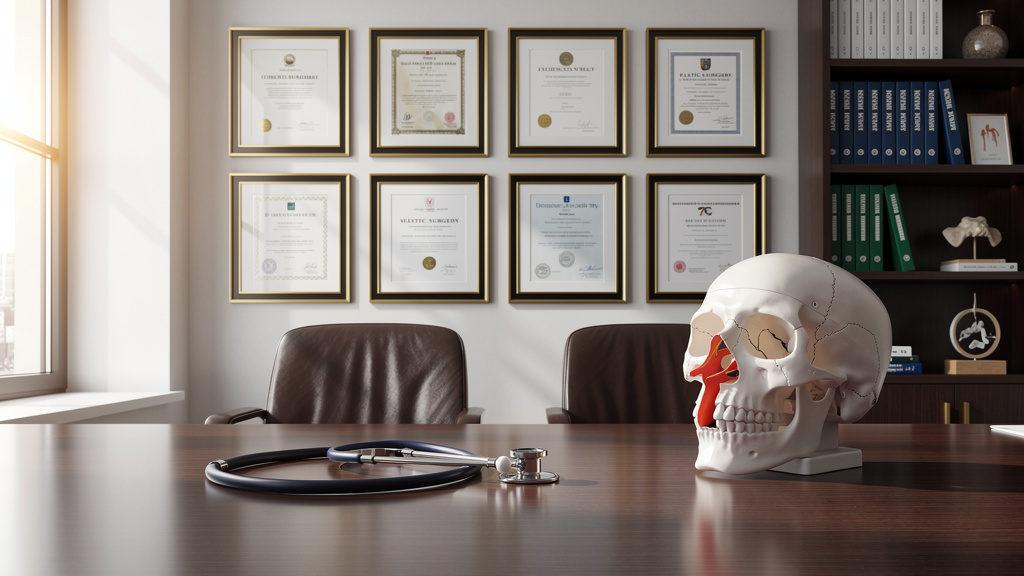
Training is the first safety filter when choosing nose surgery in Delhi. At a minimum, a safe surgeon completes an MBBS degree, then a three‑year MS in General Surgery. After that, they go through an additional super‑speciality course, MCh in Plastic Surgery, which is widely accepted as the gold‑standard training for plastic and reconstructive work.
Some surgeons go further with focused fellowships in aesthetic surgery, craniofacial surgery, or reconstructive work after trauma and cancer. These extra years deepen their understanding of facial structure and refine their skills with cartilage, bone, and soft tissue. Membership in bodies such as APSI or the International Society of Aesthetic Plastic Surgery (ISAPS) shows active participation in the specialty.
It is also important to know whether the surgeon concentrates on facial procedures and rhinoplasty, or spreads time across many unrelated areas. A doctor who regularly performs rhinoplasty in Delhi and deals with both cosmetic and reconstructive cases is better placed to manage subtle changes while keeping breathing safe.
“Training is what you see on paper; judgment is what you see in the operating room.” – Common surgical teaching
At The Aesthetic, Dr Manoj K Johar brings over 15 years of focused plastic surgery experience. His work spans cosmetic rhinoplasty, functional nasal surgery, and complex complex reconstruction after trauma or birth defects. This dual focus means he understands both how to create a balanced nose and how to rebuild one after severe damage. Patients can cross‑check such credentials through professional websites, hospital staff, and registration numbers before they decide.
Essential Qualifications Checklist For A Nose Surgeon
Item | What To Look For |
|---|---|
Basic medical degree | MBBS from a recognised Indian or international college |
Surgical training | MS in General Surgery |
Super‑specialisation | MCh in Plastic Surgery |
Professional memberships | APSI, ISAPS or similar bodies |
Hospital privileges | Permission to operate in reputed, accredited hospitals |
Focus area | Regular work in rhinoplasty and facial procedures |
Continuing education | Courses, workshops, conferences on modern techniques |
Experience Matters: Evaluating A Surgeon's Track Record
Paper qualifications tell only part of the story. Real safety in nose surgery in Delhi also depends on how often a surgeon performs the procedure and the types of cases handled. A doctor who carries out many rhinoplasties each month becomes familiar with different nasal shapes, skin types, and healing patterns.
Before‑and‑after photographs give a helpful window into this experience. When looking at photos during a consultation, it helps to observe:
Whether noses look natural on each face
Whether the bridge and tip match the rest of the features
Whether results appear consistent across cases, not just in a few selected photos
Good surgeons show a range of outcomes instead of only one style.
Experience in trauma and reconstruction also matters. A surgeon who repairs shattered noses after accidents or corrects birth defects handles some of the most demanding anatomy. Dr Manoj K Johar has managed such complex reconstructions, which shows a deep understanding of nasal support and blood supply. This level of skill is valuable even in simpler cosmetic cases because it offers a safety net if unplanned issues arise.
During consultation, it is wise to ask clear questions, such as:
How many rhinoplasties do you perform each month?
What percentage of your work is nasal surgery?
How often do your patients need revision surgery?
How do you manage complications if they occur?
A confident, honest answer usually points to a well‑managed practice with systems to track and improve results over time.
The Facility Factor: Why Hospital Choice Impacts Safety
Even the best surgeon needs the right setting. Safe rhinoplasty in Delhi should happen in a hospital or surgical centre that meets strict standards for equipment, nursing, and emergency response. A small office procedure room is not enough for something as delicate as nasal surgery under general anaesthesia.
A modern operation theatre should offer high‑quality lights, air filters, and sterilisation. Monitoring machines for heart rate, blood pressure, and oxygen should run throughout the procedure. A qualified anaesthetist, not just a nurse, needs to be present from start to finish. These basic features protect the patient if blood pressure drops, if there is an allergic reaction, or if breathing needs support.
An ideal safe nose surgery clinic in Delhi also connects to an ICU, blood bank, and other specialties like ENT and cardiology. This wider hospital support allows very rare but serious events to be handled quickly. The Aesthetic works within Max Super Specialty Hospitals, which offer this level of medical depth, along with high standards for hygiene and record keeping.
Without these supports, even a routine case can become risky. That is why it is worth paying attention not only to glossy interiors but to the systems behind them, such as sterilisation logs, infection rates, and the training of theatre staff. These hidden details make a big difference to overall safety.
Clinic Versus Accredited Hospital For Nose Surgery
Aspect | Small Standalone Clinic | Accredited Hospital Setting |
|---|---|---|
Operation theatre | Basic room, shared use | Dedicated OT with air handling and sterile zoning |
Anaesthesia | Limited staff, basic monitoring | Full anaesthesia team with advanced monitoring |
Emergency support | Often needs outside referral | On‑site ICU, emergency team, blood bank |
Infection control | Informal cleaning methods | Structured cleaning and regular microbiology checks |
Multispecialty input | Hard to arrange quickly | ENT, cardiology and others available when required |
Red Flags: Warning Signs Of Unsafe Practitioners
While many centres provide safe nose surgery in Delhi, some show clear warning signs. Recognising these early can save both health and money. A common red flag is pricing that seems far lower than every other quote. Very cheap offers may mean poor quality implants, rushed operations, or hidden later charges.
Another warning sign is a surgeon who avoids sharing qualifications or cannot show proper registration and MCh degrees. If a doctor only operates in small, unaccredited clinics and has no rights to work in recognised hospitals, this should raise concern. Reputable surgeons are usually happy to discuss their training and hospital links.
Lack of visual proof is another issue. When a centre refuses to show any before‑and‑after photos, or will not connect a new patient with past patients willing to share experiences, it becomes harder to trust claims. High‑pressure sales tactics, such as discounts valid only for the same day or firm promises of “perfect” results, also signal that the focus is on volume rather than safety.
Poor consultation behaviour gives further clues. Warning signs include very short visits, no proper medical history, little discussion of risks, and a dismissive attitude towards questions. A clinic that does not provide clear consent forms, cost breakdowns, or discharge instructions should be avoided. Physical signs such as dirty toilets, cluttered waiting areas, and old‑looking equipment add to these concerns and suggest weak standards behind the scenes.
Some common red flags to watch for include:
Prices far below the usual range
No proof of degrees, registration, or MCh in Plastic Surgery
No operating rights in reputable hospitals
No before‑and‑after photos or patient references
Pushy staff, limited time to decide, or “today only” offers
Poor hygiene and visibly neglected facilities
The Consultation Process: Questions Every Patient Must Ask
A detailed consultation is the best time to judge both surgeon and clinic. A rushed meeting where a doctor spends only a few minutes and pushes straight to booking is an alarm bell. A safe rhinoplasty in Delhi begins with a careful discussion, examination, and planning visit.
During this time, it is sensible to ask direct questions about qualifications and experience. Examples include asking about degrees and board certifications, the number of rhinoplasties performed, and experience with ethnic noses or revision cases. It also helps to ask about complication rates and how often revision surgery becomes necessary, because honest numbers give a more realistic picture than marketing lines.
Questions about the planned procedure matter just as much. Patients can ask which method, open or closed, is better for their nose and why, how the surgery might affect breathing, and what results are realistic for their face. A careful surgeon will often use imaging or drawings to explain likely changes instead of making vague promises.
The safety of the setting should also be covered. It is reasonable to ask where the operation will take place, whether the hospital is NABH or JCI accredited, who will give anaesthesia, and what emergency steps exist if something unexpected happens. Post‑operative care also needs discussion, including how many follow‑up visits are included, how pain will be handled, and what help is available after hours.
You might find it helpful to take a written list of questions, such as:
What are your qualifications and registration details?
How many rhinoplasty in Delhi procedures do you perform each month?
Will my surgery be open or closed, and why?
Where will the operation be done and is the hospital accredited?
What are the main risks and how often do you see them?
What does the quoted fee include, and what extra costs might appear?
How many follow‑up visits are planned, and who can I contact if I am worried?
At The Aesthetic, Dr Manoj K Johar spends time in pre‑operative consultations to map the nose, review medical history, and answer questions in depth. This calm, open approach allows patients to leave the clinic with a clear plan instead of confusion, which is a key sign of a trustworthy surgeon.
Understanding Costs: Price Versus Value In Nose Surgery
The cost of nose surgery in Delhi usually sits between ₹90,000 and ₹2,50,000. This wide spread reflects differences in surgeon expertise, hospital quality, case complexity, and what is included in the package. Comparing only the final number without understanding these parts can lead to poor choices.
Several main pieces build the total fee:
The surgeon’s charge covers their time, planning, and skill.
Hospital or facility charges include use of the operation theatre, room rent if admission is needed, and nursing care.
An anaesthetist’s fee supports safe sleep and wake phases.
Pre‑operative tests, medicines, and follow‑up visits add further cost.
People often search for affordable nose surgery in Delhi and may feel tempted by very low quotes. However, when prices fall far below standard levels, corners may be cut on staff experience, implants, or safety equipment. Revision surgery after a poor result nearly always costs much more, both in money and stress, than choosing a safe option at the start.
A fair quote from an experienced surgeon working in a quality hospital may sit in the middle or higher end of the range. This does not mean overcharging; it often reflects proper staff pay, modern equipment, and time set aside for careful work. It is wise to ask for a written breakdown that lists what is included, such as investigations, splints, follow‑up visits, and possible extra charges.
Key cost questions to ask include:
What exactly is included in this quote?
Are follow‑up visits and dressings included?
If I need revision surgery, how is that charged?
Are there separate fees for implants, extra nights in hospital, or extra tests?
Typical Cost Breakdown For Rhinoplasty In Delhi
Component | Approximate Share Of Total Cost |
|---|---|
Surgeon’s professional fee | 35–45% |
Hospital or theatre charges | 25–35% |
Anaesthesia team fee | 10–15% |
Tests and imaging | 5–10% |
Medicines and disposables | 5–10% |
Follow‑up visits | 5–10% |
Safety Protocols: What Happens Before, During, And After Surgery
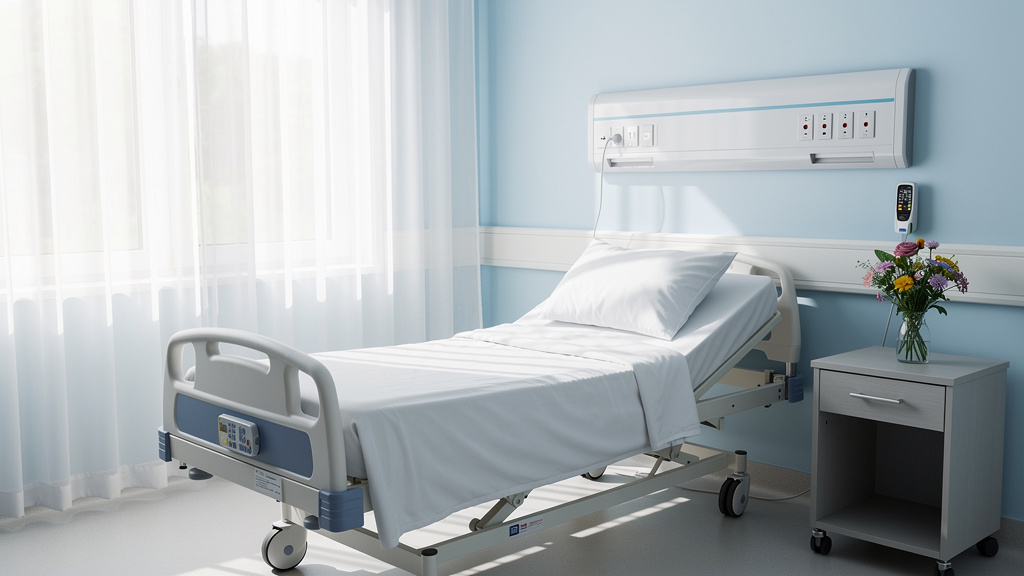
Safe nasal surgery in Delhi follows clear steps from the first check‑up to the final follow‑up.
Before surgery:
The team takes a full medical history, reviews allergies, and notes regular medicines.
They examine the nose inside and out, sometimes with imaging, to plan changes.
Blood tests and other checks help spot hidden risks such as anaemia or heart problems.
In the weeks before operation, patients may be asked to:
Stop blood‑thinning tablets and certain herbal drugs
Avoid smoking and alcohol
Improve rest and diet to support healing
The surgeon or their team should explain the operation, possible risks, and recovery path in simple words. A proper consent form records this discussion rather than being an empty piece of paper shared at the last moment.
During surgery:
Vital signs such as heart rate, blood pressure, and oxygen stay under constant watch.
The anaesthesia team remains present throughout and uses sterile methods for any tubes or lines.
The surgeon and nurses follow strict hand washing and draping routines so germs do not enter the field.
A standard rhinoplasty usually lasts between one and a half and three hours, depending on complexity.
After surgery:
Patients move to a recovery area where nurses monitor breathing, pain, and bleeding.
A splint on the nose and, sometimes, soft internal packing give support.
Before discharge, the team provides written instructions about:
Sleeping position and head elevation
Cleaning and care of the nose and splint
Medicines for pain and swelling
Activities and movements to avoid
A good centre offers an emergency contact number in case of any worry between visits, and follow‑up appointments to watch healing and guide patients through each stage.
Choosing The Aesthetic - Dr. Manoj K. Johar: A Safe Choice For Nose Surgery In Delhi
With so many options for nose surgery in Delhi, it helps to look for a centre that combines high skill with strong safety systems. The Aesthetic – Dr Manoj K Johar stands out by offering both cosmetic and reconstructive plastic surgery under one umbrella, backed by modern hospital support through Max Super Specialty Hospitals.
Dr Manoj K Johar has more than 15 years of focused plastic surgery experience, covering aesthetic rhinoplasty, functional nasal surgery, and complex reconstructions after accidents, cancer, and birth defects. This means he does not only refine a hump or narrow a tip; he also rebuilds noses damaged by bullets or severe trauma. Such depth is an important marker when searching for the best doctor for nose surgery in Delhi.
His practice follows a patient‑centred style. Consultations include careful examination, clear explanation, and realistic goal‑setting. Imaging helps patients visualise balanced changes instead of chasing extreme looks. Questions are welcome, and there is open talk about both benefits and risks, which builds trust.
Operating within Max Super Specialty Hospitals gives access to accredited theatres, intensive care units, and a full team of specialists. This setting supports a safe nose surgery clinic in Delhi where anaesthesia, infection control, and emergency protocols match international standards. Advanced instruments and high‑quality materials support precise work and smoother recovery.
Post‑operative care at The Aesthetic does not end when a patient leaves the theatre. Regular follow‑ups, clear instructions, and easy access to the team help patients manage swelling, taping, and lifestyle changes during healing. For those who need revision or complex reconstruction, this blend of technical strength and personal care offers a dependable path to better function and appearance.
Patient Success Stories: Real Results From Safe Surgery
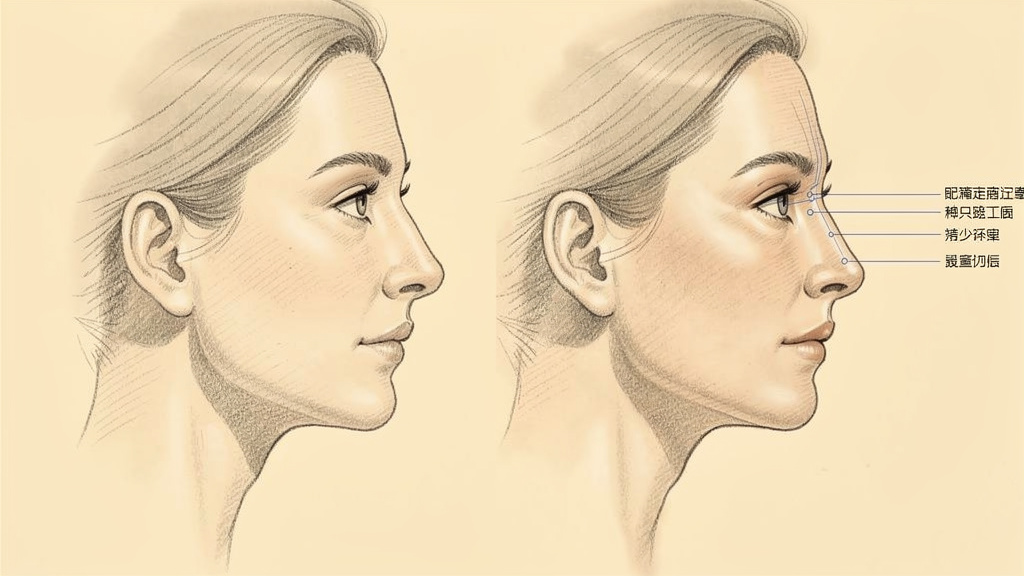
Real‑world outcomes say more than any brochure. At The Aesthetic, many patients who chose rhinoplasty in Delhi now share stories of quiet but important change. Some came with long‑standing hesitation about a hump or wide bridge and now feel more at ease in photos and social settings. Others had blocked noses for years and now sleep better at night after combined septorhinoplasty.
There are also patients who faced serious accidents or illness. With Dr Johar’s reconstructive skills, noses crushed in road mishaps or affected by tumour removal have been reshaped to look natural again and function well. These cases often need several stages and careful planning, yet they show how powerful safe nasal surgery can be when handled by an experienced surgeon.
Typical feedback from patients includes comments such as:
“People notice that I look fresher, but they can’t tell I had surgery.” – Feedback often heard after well‑done rhinoplasty
Testimonials and before‑and‑after images, shared with consent, highlight noses that look balanced and not “operated”. Patients speak about smoother breathing, less snoring, and more confidence in public and work settings. While every nose and face is different, and no honest surgeon can promise perfection, consistent natural results across many cases signal a reliable practice.
New patients are encouraged to review these stories and images during consultation. This helps set fair expectations and offers a real sense of what careful surgery can achieve without overclaiming or hiding the normal recovery process.
Frequently Asked Questions
Is Nose Surgery In Delhi As Safe As In Western Countries?
Yes, nose surgery in Delhi can match safety standards in Western countries when carried out by well‑trained surgeons in accredited hospitals. Many Delhi surgeons have international exposure and follow the same techniques and protocols used abroad. NABH and JCI accredited hospitals apply strict rules for anaesthesia, hygiene, and emergency care. Safety depends more on the chosen surgeon and facility than on the city itself, which is why selection matters so much.
How Do I Verify A Surgeon's Credentials In Delhi?
Checking credentials is a key step before any nasal surgery in Delhi. One can look up the doctor’s registration with the National Medical Commission, which confirms legal right to practise. It helps to confirm that the surgeon holds an MCh in Plastic Surgery and belongs to specialist bodies such as APSI or ISAPS. During consultation, it is fine to request to see degree certificates and to ask about hospital affiliations. Large, respected hospitals usually screen their surgeons carefully before granting operating rights.
What Makes A Hospital Safe For Nose Surgery?
A safe hospital for rhinoplasty in Delhi usually holds NABH or JCI accreditation, which signals strong rules for patient care. The centre should have modern, sterile operation theatres, advanced monitoring equipment, and a full anaesthesia team. On‑site ICU beds and other specialties like ENT and cardiology add further safety. Clear infection control routines, from hand hygiene to regular audits, reduce the chance of post‑operative infection. Well‑known chains such as Max Super Specialty Hospitals follow these principles.
What Are The Most Common Complications And How Are They Managed?
Common early issues after nose surgery in Delhi include swelling, bruising, stuffy breathing, and mild bleeding. These usually settle with rest, cold compresses, and prescribed medicines. Less common problems include infection, which responds to antibiotics when caught early, and minor asymmetry, which sometimes needs a small touch‑up once healing is complete. Rare but serious issues such as septal perforation or long‑term breathing trouble require expert evaluation. Experienced surgeons reduce these risks through careful planning and have clear protocols ready if any complication arises, including the option of revision surgery in suitable cases.
How Long Is The Recovery Period And What Precautions Should I Take?
The first one to two weeks after rhinoplasty are the most visible, with a splint on the nose and swelling around the eyes. Most people return to desk work and light daily activities in about two to three weeks, once bruising fades. Heavy exercise, gym workouts, and contact sports should stay on hold for at least six weeks to protect the nose while bones and cartilage settle. Mild swelling can last for several months, although others rarely notice it. Final shape often takes up to a year to fully refine.
During recovery, it is important to:
Sleep with the head elevated
Use cold compresses in the first few days
Take medicines exactly as advised
Avoid smoking, alcohol, and aspirin unless cleared by the surgeon
Protect the nose from bumps and strong glasses frames
Attending all follow‑up visits allows the surgeon to monitor healing and address any concerns early.
Conclusion
Nose surgery is both a cosmetic and functional procedure, so safety must come first. Nose surgery in Delhi can be very safe when patients choose carefully rather than quickly. The key ingredients are a surgeon with strong qualifications and extensive experience, an accredited hospital with modern facilities, a thorough consultation process, and open, honest communication about benefits, limits, and risks.
Cost matters, but it should never overshadow safety. Offers that seem too cheap often hide compromises in staff training, materials, or emergency backup. In contrast, fair pricing from an experienced surgeon in a respected hospital usually reflects the care and systems needed to keep complications low and results steady. Informed patients who ask many questions, check credentials, and insist on accredited settings tend to enjoy smoother recoveries and more satisfying outcomes.
The Aesthetic – Dr Manoj K Johar represents this higher standard for rhinoplasty in Delhi. With over 15 years of plastic surgery experience, deep reconstructive skill, and access to Max Super Specialty Hospitals, Dr Johar combines technical precision with a calm, compassionate style. His team supports patients from first consultation through recovery, focusing on natural‑looking noses that also breathe well.
Anyone considering affordable nose surgery in Delhi is encouraged to invest time in research, meet more than one surgeon, and seek clear answers before deciding. A thoughtful choice now can mean safer surgery, a more confident self, and long‑term comfort with both breathing and appearance. For those who want this level of care, scheduling a consultation with Dr Johar offers a strong starting point.