Noticing extra hair on the pillow, in the shower drain, or on a comb can feel frightening. For many men and women across India, hair loss is not only about appearance; it can chip away at confidence, social comfort, and even professional presence. It’s no surprise that more people now compare Hair PRP vs Hair Transplant and want clear, honest answers.
There is often confusion because both treatments help with hair loss, yet they work in very different ways. Platelet-Rich Plasma (PRP) therapy is an injection-based treatment that uses your own blood to support weaker hair follicles. Hair transplant surgery, on the other hand, moves healthy follicles from the back or sides of your scalp into thinning or bald areas to bring back coverage where hair is already lost.
This article walks through how each option works, who it suits, expected results, costs over time, and recovery. The goal is to help you decide which side of the Hair PRP vs Hair Transplant debate matches your stage of hair loss and your comfort level. Drawing on the patient-first approach of The Aesthetic - Dr. Manoj K. Johar Plastic Surgery in Delhi-NCR, you’ll see how a careful, personalised plan can restore not only hair, but also peace of mind. By the end, you should feel ready to have a detailed consultation and move towards a fuller head of hair with confidence.
A common saying among hair specialists is, “The best time to treat hair loss is when you first notice it, not when every follicle is gone.”
What Is Hair PRP Therapy?
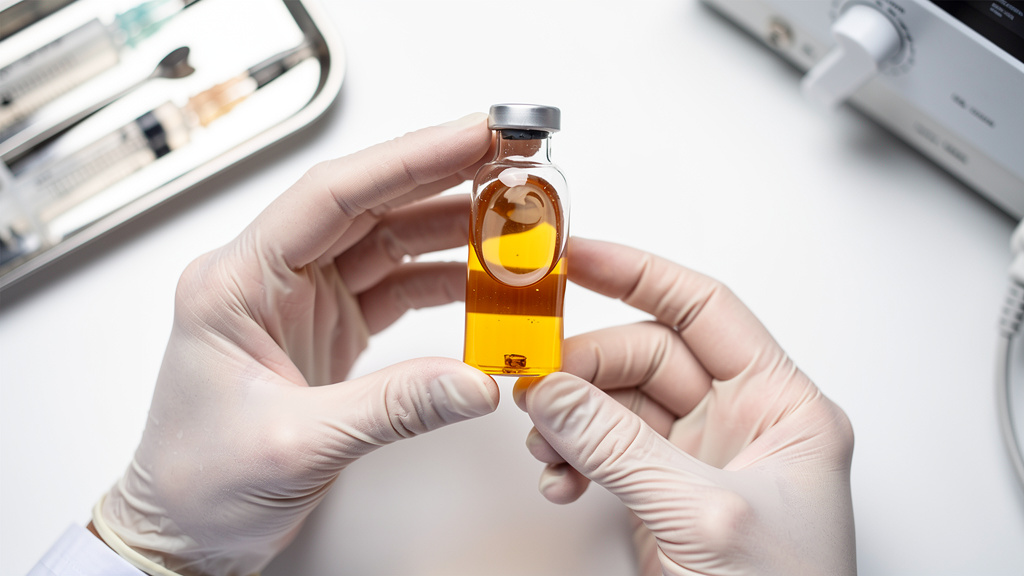
Platelet-Rich Plasma (PRP) therapy is a non-surgical hair loss treatment that uses the healing power of your own blood to support hair growth. It’s especially helpful in the early stages of hair thinning, when hair has become weaker but the follicles are still present. Instead of adding chemicals or implants, PRP focuses on boosting natural repair signals in your scalp.
Blood contains red cells, white cells, plasma, and platelets. Platelets are tiny cells rich in growth factors—special proteins that send repair messages to surrounding tissues. When concentrated and injected into areas of thinning hair, these growth factors can encourage dormant or weak hair follicles to move back into the active growth phase. Over time, this may improve:
Hair thickness
Hair density
Overall scalp health
A more advanced form, often called Growth Factor Concentrate (GFC), uses a special system to separate and collect a higher level of pure growth factors from your blood. This can provide stronger support for mild to moderate hair loss, although your doctor will decide which method suits your case.
The PRP process itself is quite simple and usually follows these steps:
A small amount of blood is taken from your arm, similar to a routine blood test.
The tube goes into a machine called a centrifuge, which spins at high speed and separates the blood into layers.
The platelet-rich portion is drawn into a syringe.
Using a very fine needle, this concentrated plasma is gently injected across the thinning areas of your scalp.
Each session usually takes about 30–60 minutes. Most people go back to work or normal activities straight after, with only mild tenderness or redness that settles within a day or two. A typical plan involves:
3–6 sessions spaced four to six weeks apart
Followed by maintenance sessions once or twice a year
Because PRP uses your own blood, the risk of allergy or serious reaction is very low, making it a safe, natural choice for early hair loss and diffuse thinning.
What Is a Hair Transplant?

A hair transplant is a minor surgical procedure that moves hair follicles from one part of your scalp to another. It’s designed for long-term restoration in areas where follicles have already stopped producing hair. Instead of only stimulating existing hair, like PRP does, a transplant physically adds new follicles to bald or very thin patches.
The key idea behind hair transplant surgery is called donor dominance. Hair at the back and sides of the scalp is usually resistant to the hormone dihydrotestosterone (DHT), which is the main cause of male and female pattern baldness. When a surgeon moves these stronger follicles into a balding area, they keep their resistance to DHT and continue to grow for many years.
During the procedure:
Healthy follicles are harvested from the donor area.
These follicular units (each containing one to four hairs) are then implanted into the recipient area, where hair is missing or very sparse.
With careful planning of direction and angle, the transplanted hair blends with your existing hair and looks very natural once it has grown out.
A hair transplant suits men and women with:
Moderate to severe hair loss
Receding hairlines
Large bald patches
Hair loss after trauma, burns, or previous surgery
It is also very useful for cancer survivors and accident victims who have lost hair in localised areas and want solid coverage.
The surgery is highly personal. The surgeon designs a hairline that matches your age, face shape, and expected future hair loss pattern. Density can be adjusted according to your goals and the strength of your donor area. At The Aesthetic - Dr. Manoj K. Johar Plastic Surgery, this planning stage is taken very seriously, with more than 15 years of cosmetic and reconstructive experience guiding every step. The end aim is a natural-looking result that fits your features, rather than an obvious “done” look.
Hair Transplant Techniques: FUE vs FUT
There are two main methods used in modern hair transplant surgery: FUT and FUE. Both can give lasting, natural results, but they differ in how the donor hair is taken from your scalp. Understanding these methods helps you discuss the best approach for your lifestyle and hair goals.
Follicular Unit Transplantation (FUT)
Follicular Unit Transplantation (FUT) is often called the strip method. In this technique, the surgeon removes a narrow strip of hair-bearing skin from the back of your head, where hair is usually thick and resistant to balding. This strip is then passed to a trained team who separate it into tiny grafts, each containing one to four hairs, under a microscope.
After removing the strip, the surgeon closes the donor area with stitches or staples, which stay in place for about 10–14 days. Once healing is complete, a fine linear scar remains, usually hidden under surrounding hair. The prepared grafts are then placed into small cuts made in the thinning or bald areas at angles that match your natural hair pattern.
FUT is often chosen when a person needs a large number of grafts in one sitting, such as for extensive baldness. It can be more cost-effective per graft and often gives a high yield because the follicles are handled carefully under magnification. The main limitation is the linear scar, which may be visible with very short haircuts. Some people also feel a sense of tightness in the donor area for a short period after surgery, although this usually settles as healing progresses.
Follicular Unit Extraction (FUE)
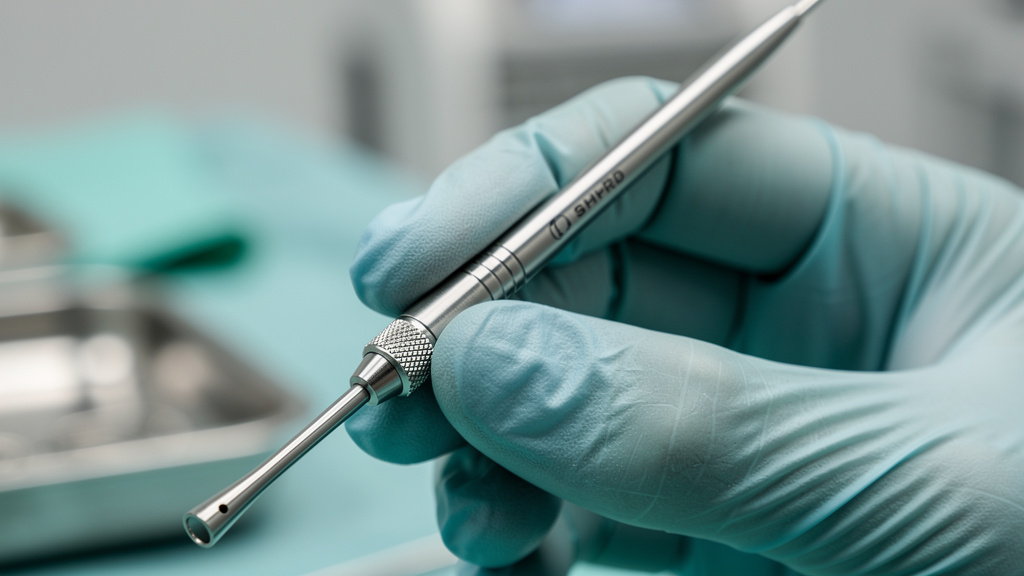
Follicular Unit Extraction (FUE) is a newer method that removes follicles one by one instead of taking a strip. The surgeon uses a very small circular punch tool to score around individual follicles in the donor area. Each tiny graft is then gently lifted out and kept safe until it is placed into the recipient area.
Because FUE does not need a long incision, there are no stitches in the donor area. Instead, you have many tiny circular wounds that heal into small dot-like marks. These are usually difficult to see, even with short hairstyles, especially in skilled hands. The grafts are implanted in the same careful way as in FUT, with close attention to direction, density, and hairline design.
FUE appeals to people who:
Prefer to keep their hair very short at the back and sides
Wish to avoid any noticeable linear scar
Want quicker comfort in the donor area after surgery
Recovery in the donor area is often faster, with less tightness or discomfort. However, FUE can take longer to perform for large cases, as each follicle is removed separately. This extra time and effort can make FUE slightly more expensive per graft. Ideal candidates are those with mild to moderate hair loss, or those who value minimal visible scarring above all else.
The Hair Transplant Process and Recovery Timeline
A hair transplant is not just about the day of surgery; it’s a planned process that stretches over months. Knowing what to expect at each stage can reduce anxiety and help you feel more in control of your decision.
Everything starts with a detailed consultation:
The surgeon studies your scalp, pattern of hair loss, and the strength of your donor area.
You discuss your concerns, how you’d like your hairline to look, and what level of density feels realistic.
Based on your age, family history, and medical background, a personal plan is created, including how many grafts you may need and which technique, FUT or FUE, best fits your case.
On the day of the procedure:
The donor area is trimmed and cleaned.
Local anaesthesia is given so that both donor and recipient areas are numb, and you remain comfortable throughout.
Grafts are harvested using the chosen method and then refined under a microscope so that the follicles stay healthy.
The surgeon then makes tiny openings in the bald or thinning zones, placing each graft carefully to copy natural hair growth patterns.
Recovery usually follows clear phases:
Days 1–14: Mild redness, swelling, and small scabs around each graft. These drop off on their own if you follow the cleaning instructions given to you.
Weeks 4–12: Most transplanted hairs shed. This can look worrying, but it’s a normal part of the cycle, while the follicles rest under the skin.
Months 4–6: Early new growth appears as fine strands.
Months 6–12: Hair becomes thicker and stronger.
Months 12–18: The full result is usually visible, with hair that can be cut, coloured, and styled like the rest of your scalp hair.
Following the post-operative advice from your surgeon—such as how to wash, when to avoid sun exposure, and when to resume exercise—has a big impact on the final outcome and your comfort during healing.
As many hair surgeons remind their patients, “Good aftercare is half the result in any hair transplant.”
Hair PRP vs Hair Transplant: A Direct Comparison
Many people sit in the clinic and ask which is better, Hair PRP vs Hair Transplant. The honest answer is that one is not simply “better” than the other; they serve different needs. PRP works best when there is still hair present, while a transplant is needed when areas are already bald.
The table below gives a clear side-by-side view of both options so you can compare key points at a glance.
Factor | PRP Therapy | Hair Transplant |
|---|---|---|
Procedure Type | Non-surgical treatment using a series of injections into the scalp. | Minor surgical procedure involving removal and implantation of hair follicles. |
Ideal Candidate | People with early hair thinning or those who want to slow down future loss. | People with moderate to severe hair loss, receding hairlines, or bald patches. |
Mechanism | Uses growth factors from your own blood to support weaker or dormant follicles. | Moves healthy follicles from the donor area to thinning or bald areas. |
Results Timeline | Gradual improvement, usually noticeable after 3–6 months and a course of sessions. | New growth becomes visible after 6–12 months, with full result by 12–18 months. |
Longevity of Results | Not permanent on its own; needs maintenance sessions, often once or twice a year. | Considered permanent for the treated area, as transplanted hair resists balding. |
Downtime | Little to none; mild redness or soreness settles in a day or two. | About 7–10 days of visible healing in donor and recipient areas. |
Number of Sessions | Usually 3–6 initial sessions plus regular maintenance visits. | Commonly one main procedure per area, with the option of a second for extra density. |
Cost | Lower cost per session, but the total can add up with long-term maintenance. | Higher one-time cost, which often works out better over years for large bald areas. |
Risk / Side Effects | Very low risk, as it uses your own blood; temporary swelling or tenderness possible. | Small risk of infection, scarring, or poor graft growth; rare with an experienced surgeon. |
Anaesthesia | Topical cream or local anaesthetic injections to reduce discomfort. | Local anaesthesia for the whole donor and recipient area. |
Scarring | No visible scarring. | Fine line (FUT) or small dots (FUE) in the donor area. |
PRP is ideal for someone who wants a gentle, non-surgical way to slow hair loss and improve thickness, especially when daily life is very busy. It can also be used alongside medicines to maintain existing hair. A hair transplant is the choice for someone who has already lost a lot of hair and wants to bring back coverage where no hair is growing.
Another difference in the Hair PRP vs Hair Transplant comparison is mindset:
PRP needs patience and commitment to regular sessions and maintenance.
A transplant demands a short period of healing and care, but then offers long-term change in the treated area.
Both have an important place in modern hair restoration, and your stage of hair loss largely decides which one will give you the best value.
Can PRP and Hair Transplant Be Combined?
Many people are surprised to learn that they don’t always have to pick only one side in the Hair PRP vs Hair Transplant discussion. In fact, these treatments can support each other and give better overall results when used in a planned way.
When PRP is used around the time of hair transplant surgery, the growth factors in the concentrated plasma can:
Support healing in both donor and recipient areas
Improve blood supply around newly transplanted follicles
Strengthen nearby non-transplanted hair
Together, this may help more grafts survive and grow, and make the final look thicker and more even across the scalp.
PRP may be given:
A few weeks before surgery to prepare the scalp
During the procedure
In the months after surgery as follow-up care
The exact schedule depends on your hair condition and your surgeon’s protocol. At The Aesthetic - Dr. Manoj K. Johar Plastic Surgery, every case is studied on its own merits, and combination therapy is suggested only when it is likely to add real benefit. This careful, case-by-case planning helps you get the most from both treatments without unnecessary steps or expense.
Making the Right Choice: Which Treatment Is Best for You?

Choosing between Hair PRP vs Hair Transplant is a personal decision that depends on your stage of hair loss, lifestyle, and comfort with surgery. There is no single option that suits everyone, which is why an honest discussion with a qualified specialist is so important.
Key factors to consider include:
Extent of Hair Loss:
Early thinning, widening part, or increased shedding with no true bald patches often responds well to PRP therapy.
When hair has already disappeared and shiny scalp is visible, only a hair transplant can add new follicles to that area.
Desired Outcome:
Some people are happy with gradual improvement and are willing to attend regular sessions for maintenance.
Others want a more noticeable change in hairline and density, even if it means a one-off surgery and a clear recovery period.
Budget and Time:
PRP has a lower cost per visit and hardly any downtime, which suits many busy professionals in Delhi-NCR.
A transplant has a higher cost at the start and calls for a few days of extra care, but over years it can work out better value for larger bald areas.
Comfort With Surgery:
Some prefer to avoid any cuts or stitches and stay with non-surgical options.
Others are comfortable with a planned procedure if it offers long-lasting coverage.
During a consultation at The Aesthetic - Dr. Manoj K. Johar Plastic Surgery, these points are discussed in detail. Dr. Johar assesses your scalp, medical history, and expectations, then explains which approach—or combination—is realistic for you. This calm, step-by-step guidance helps you move forward with clarity instead of confusion.
Conclusion
Both PRP therapy and hair transplant surgery are well-established ways to deal with hair loss, but they address different needs. PRP is a non-surgical, low-downtime option that supports existing hair and suits people with early thinning or those who want to slow further loss. A hair transplant is a surgical method that replaces missing follicles and suits people with more advanced baldness who want long-lasting coverage.
Rather than asking which is better in general, it’s more useful to ask which is better for your pattern of hair loss, your goals, and your lifestyle. In many cases, a thoughtful mix of treatments gives the best result—for example, a hair transplant supported by PRP for healing and density.
Taking the step to ask for help with hair loss can feel emotional, especially for cancer survivors, trauma patients, or parents seeking care for their children. At The Aesthetic - Dr. Manoj K. Johar Plastic Surgery, the focus is on kind, honest guidance and natural-looking results, backed by more than 15 years of cosmetic and reconstructive experience at leading Max Hospital centres. If thinning hair is affecting your confidence, scheduling a detailed consultation is a sound first step. With the right plan, restoring your hair – and the way you feel about yourself – is well within reach.
Frequently Asked Questions (FAQs)
Question 1: Is PRP Therapy Painful?
PRP therapy is usually very well tolerated. Before the injections, a numbing cream or local anaesthetic is applied to the scalp so that discomfort is reduced. Most people feel only mild pressure or small pricks during the session. After treatment, the scalp may feel a little sore or tight for a day or two. This short-lived discomfort is usually easy to manage with simple pain tablets if needed.
Question 2: How Long Do the Results of a Hair Transplant Last?
The hair used in a transplant comes from areas that are genetically resistant to balding, such as the back and sides of the head. Once moved, these follicles usually grow for many years, just as they would have in their original place. The transplanted hair can be cut, coloured, and styled like normal hair. However, the native hair around the grafts may still thin with age, so your surgeon may advise follow-up care, such as PRP or medicines, to protect it.
Question 3: Can Women Undergo PRP or Hair Transplant Treatments?
Yes, both PRP and hair transplant procedures can help women with hair loss. Many women have diffuse thinning rather than clear bald patches, and PRP often works well in these early and moderate stages. In selected cases, especially when there is recession at the temples or a widened part, a hair transplant can also be considered. A full assessment of hormone levels, medical history, and pattern of loss is important before planning treatment. Dr. Johar provides the same detailed, respectful care to female patients as to male patients.
Question 4: How Soon Can I See Results After PRP Therapy?
PRP does not give instant results, because hair growth itself is a slow process. Most patients start to notice reduced shedding and slight thickening of existing hair after about three to six months. The best change usually appears after completing the recommended course of three to six sessions. Results vary from person to person, depending on age, health, and how advanced the hair loss is. Keeping to the advised schedule and combining PRP with a healthy lifestyle helps you get the best outcome.
Question 5: Are There Any Risks or Side Effects Associated With Hair Transplant Surgery?
Hair transplant surgery is generally safe when carried out by a trained, experienced surgeon in a proper medical setting. As with any surgery, there is a small risk of infection, bleeding, or poor healing in the donor or recipient area. Some people notice swelling on the forehead, temporary numbness, or pimples as new hairs start to come through. These effects usually settle with time and correct aftercare. Dr. Manoj K. Johar’s long experience in cosmetic and reconstructive surgery helps keep such problems rare and well managed.
Question 6: What Is the Cost Difference Between PRP and Hair Transplant in India?
PRP sessions are less expensive one by one, which makes them easier to start in many cases. However, you need several sittings at the beginning and then maintenance sessions, so the total cost builds up over the years. A hair transplant has a higher cost at the start, as it is a full surgical procedure planned in detail. For someone with large bald areas, this single investment may give better value over time. During a consultation in Delhi-NCR, Dr. Johar can outline likely costs for both options based on your hair loss pattern and treatment plan.